Marketing & Promotions
How to Attract More Customers to Your Restaurant (12 Ideas)

By Daniel Ruiz, former NYC chef June 2026 11 min read
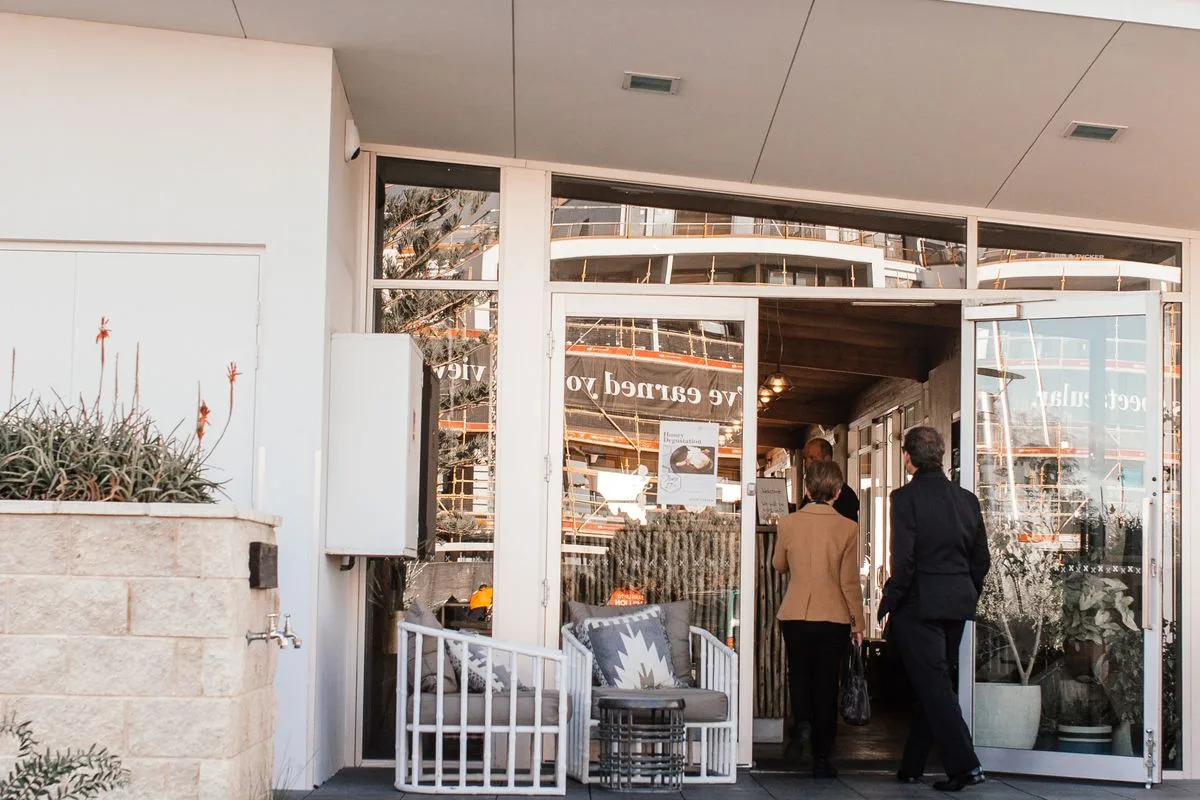
To attract more customers to your restaurant, the goal is to be the obvious choice for people who have never been in: get found when nearby diners search, get talked about by neighbors, press, and regulars, and give first-timers a clear reason to pick you tonight. Do those three things consistently and new faces start showing up.
Quick note on what this guide is about, because it matters. This is about brand-new diners, people who have never set foot in your place, deciding to walk in for the first time. It is not about getting your existing crowd to spend a little more (that’s a different job). It’s pure acquisition: filling seats with strangers and turning them into regulars.
I spent more than a decade in NYC kitchens, line cook up to executive chef, before I ever touched marketing, so I’m going to keep this plain and practical. Below are twelve concrete ideas you can actually act on, grouped into three buckets. Work through the ones that fit your spot. Let’s fill those seats.
The three buckets, at a glance
Attracting new customers feels like a hundred little tasks, so it helps to sort them. Every idea below falls into one of three buckets. Get found so strangers can discover you, get talked about so they trust you, and give them a clear reason to choose you the first time. Here’s the shape of it before we dig in.
Get found
Show up when someone nearby searches for a place to eat, your Google profile, the maps, directories, and “near me.”
Get talked about
Become the place people mention, reviews, social posts, local press, partnerships, events, and word-of-mouth referrals.
Give them a reason
Make the first visit easy to say yes to, a first-timer offer, great curb appeal, and food that looks worth the trip.
Now the twelve ideas, in those three buckets. You don’t need all of them. Pick the few that fit your neighborhood and your time, do those well, and add more later.
Bucket one: get found by nearby diners
You can’t attract someone who can’t find you. These days the discovery doesn’t happen on the sidewalk, it happens on a phone, usually within a few miles of your door. So the first job is making sure that when a hungry stranger goes looking, you’re right there in front of them.
1. Nail your Google Business Profile
This is the single biggest lever for getting found, and it’s free. Your Google Business Profile is that box with your hours, photos, menu, and reviews that pops up when someone searches. For a lot of new diners, that box is their first impression of you, before your website, before your door.
Claim it, verify it, then fill out everything: accurate hours including holidays, the most specific primary category you can pick, your menu link, your booking or ordering link, and a steady stream of real photos. A complete, lively profile turns up for more searches and reassures the person deciding between you and the spot down the block. If you want the full walkthrough, here’s our guide to restaurant SEO, it’s mostly about exactly this.
2. Earn more reviews (and respond to them)
Reviews do double duty for attracting new people. They push you higher in local results, and they’re the last nudge a stranger needs before choosing you. A wall of recent, honest reviews tells a first-timer “real people eat here and they’re glad they did.” That’s worth more than any ad.
The honest way is the only way that works: ask happy guests, make it one tap with a link or QR code, and reply to every review like a grown-up, thank the good ones, answer the rough ones calmly. Future diners read how you handle criticism, and it sways them more than the complaint itself. We go deep on this in how to get more Google reviews.
3. Be the answer to “near me” searches
“Tacos near me.” “Brunch near me.” “Sushi open now.” These searches are pure intent, somebody hungry, nearby, deciding right this second. Being the place they tap is one of the cleanest ways to pull in a brand-new diner. The work here is mostly the same as nailing your profile, plus making sure your specifics match what people type: cuisine, neighborhood, dietary options, “open late,” outdoor seating.
Add those attributes to your profile, write your cuisine and neighborhood in plain words on your website, and keep your details consistent everywhere. The more accurately you describe what you are, the more of those ready-to-eat searches you’ll show up for.
4. Show up on the maps and directories
Google isn’t the only map people use, and it isn’t the only list either. Apple Maps, Yelp, Tripadvisor, and the booking and delivery apps in your area are all places where a new diner might first stumble onto you. Each one is a doorway, and an empty or wrong listing is a doorway with the lights off.
Claim your listing on the big ones, fill them out, and, this is the important part, keep your name, address, and phone identical across all of them. Mismatched details quietly confuse the algorithms and the humans. Same info, good photos, current hours, everywhere you appear.
Too many ideas, not enough hours?
You’ve got a kitchen to run. We’ll pick the few moves that’ll actually fill your seats and run them for you, hands-on, by someone who has worked the line.
Bucket two: get talked about
Getting found puts you in front of strangers. Getting talked about is what makes them trust you enough to actually come in. People believe other people, a neighbor’s tip, a post in a local group, a “best of” roundup, far more than they believe your own marketing. So this bucket is about getting your name into other people’s mouths.
5. Show the food where new people will see it
Social media isn’t about racking up followers you already have, for attracting new customers, it’s about discovery. A short clip of a dish coming together, a plate that looks impossibly good, a glimpse of your room on a busy night: that’s how someone who’s never heard of you trips over you while scrolling and thinks “wait, where is that?”
You don’t need a studio. A clean phone shot in good light, posted consistently, does the job. Lead with the food and the feeling, tag your location so locals find you, and keep it regular. Our guide to restaurant Instagram marketing breaks down exactly what to post.
6. Build local partnerships
Some of your best future customers are already walking past the business next door. Partner up. The hotel down the street needs somewhere to send guests for dinner. The brewery with no kitchen needs a food option. The office building, the theater, the gym, the wine shop, all of them touch people who’d eat at your place if someone pointed them there.
Walk over, introduce yourself, and make a simple offer: leave your menus at their front desk, do a reciprocal recommendation, run a “show your ticket stub, get a free starter” deal with the venue next door. These cost almost nothing and send you a steady trickle of people who’d never have found you alone.
7. Run events, collabs, and pop-ups
An event gives people a reason to come who otherwise had no reason at all. A guest-chef night, a collab dinner with that brewery, a themed evening, a pop-up at a local market, each one creates a moment, and a moment is something people share and show up for. It’s a built-in excuse to invite a whole new crowd in.
Collaborations are especially good for acquisition because you borrow each other’s audience. Team up with a nearby business and you put your food in front of all their people, and vice versa. Keep it simple, promote it on your profile and socials, and treat the first-timers who show up like gold so they come back on a normal Tuesday.
8. Get on local press, blogs, and “best of” lists
“Best tacos in [your town].” “New restaurants to try this month.” People actively search these out when they want somewhere new, which makes a single good mention a quiet, ongoing source of first-time diners. Local food bloggers, neighborhood newsletters, the city paper’s dining section, and the roundup lists all carry real weight with people deciding where to eat.
You don’t need a PR firm. Make a short, genuine list of the local writers and bloggers who cover your area, then reach out with something actually newsworthy, you’re opening, you’ve got a new chef or menu, you’re doing a notable event. Be specific, be brief, make their job easy with a few good photos, and don’t take silence personally. One good “best of” mention can pay you back for a year.
9. Turn happy guests into referrals
Word-of-mouth is still the most powerful way new customers find a restaurant, and it’s the one most operators leave entirely to chance. You can nudge it. A guest who just had a great meal is primed to tell a friend, give them a small reason and an easy way to do it.
Keep it simple and human: a “bring a friend, here’s a little something for both of you” card, a loyalty perk that rewards bringing someone new, or honestly just a staff that makes people feel so well looked after they can’t help mentioning it. Every regular knows people who haven’t tried you yet. Help them make the introduction.
Bucket three: give first-timers a reason to come
Found you, heard about you, now they need a reason to actually pick you tonight instead of putting it off forever. This bucket is about lowering the bar for that first visit and making the choice feel easy and worth it.
10. Make a first-time-diner offer
A small, honest offer for new guests removes the only thing standing between “I should try that place” and actually walking in: the little risk of spending money on an unknown. A free starter with your email signup, a “first visit” discount, a complimentary drink, something that says “come see for yourself, low stakes.”
Keep it tasteful and tied to a first visit so it pulls in new faces rather than just discounting your regulars. The real goal isn’t the discount, it’s getting them through the door once, because once they’ve had a great meal in your room, you’ve got a shot at a regular. The offer is just the on-ramp.
11. Fix your storefront, signage, and curb appeal
Don’t forget the oldest form of discovery there is: someone walking or driving past. Plenty of first-time diners are simply people who noticed you. If your sign is hard to read, your windows are dark, or it’s not obvious you’re even open, you’re losing customers who were one clear glance away from coming in.
Walk across the street and look at your own place like a stranger would. Is the name easy to read? Does it look warm, lit, and open? A clean sign, a readable menu in the window, a sandwich board with a special, a bit of life out front, these turn passersby into walk-ins. It’s low-tech and it still works.
12. Get out into the neighborhood
Sometimes the fastest way to attract new customers is to physically go meet them. Hand out samples at the local farmers market. Cater a slice of a community event. Drop a tray of something at the businesses on your block with a stack of menus. Show up at the street fair. Let people taste what you do, in person, where they live.
A bite of your food in someone’s hand is the most persuasive ad you’ll ever run, it does in three seconds what a week of posts can’t. Neighborhood outreach is old-school and a little bit of work, but for a local restaurant it’s some of the highest-trust marketing there is. You’re not interrupting anyone; you’re feeding them.
Where to start this week
Twelve ideas is a lot when you’re also running a kitchen, so don’t try to do them all. If I were standing in your shoes, I’d start with the two free, high-impact ones in bucket one: get your Google Business Profile fully dialed in, and start asking happy guests for reviews. Those alone move you up where new diners are already looking.
Then pick one idea from “get talked about” and one from “give them a reason” that fits your spot, maybe a partnership with the business next door and a simple first-visit offer. Do those four things well over the next month before adding anything else. Attracting new customers isn’t one big move; it’s a handful of small, consistent ones that stack up until you’re the obvious choice in the neighborhood.
And if juggling all of this on top of service feels like too much, fair, because it is, that’s exactly the work we take off operators’ plates. However you tackle it, on your own or with help, doing a few of these beats doing none of them, every time.
Key takeaways
- Attracting new diners comes down to three jobs: get found, get talked about, give them a reason to come.
- Get found by nailing your Google Business Profile, earning reviews, and showing up on maps and “near me” searches.
- Get talked about through social discovery, local partnerships, events, press and “best of” lists, and referrals.
- Give a reason with a first-visit offer, strong curb appeal, and food worth photographing.
- Start with the two free wins, your profile and reviews, then add one idea at a time.
Frequently asked questions
What’s the fastest way to attract more customers to my restaurant?
Start with the two free, high-impact moves: fully complete and verify your Google Business Profile, and start asking happy guests for reviews. Those put you in front of nearby people already searching for somewhere to eat, which is where most first-time diners begin.
How do I get new customers, not just my regulars, to come in?
Focus on discovery and trust: show up in local search and on the maps, get your food in front of new people on social, earn mentions in local press and “best of” lists, and run a first-visit offer aimed at people who haven’t been in. Those channels reach strangers rather than rewarding people who already come.
Do I need to spend money on ads to attract more diners?
No. Most of the highest-impact ideas, your Google profile, reviews, partnerships, events, curb appeal, neighborhood outreach, cost little or nothing but time. Paid ads can help later, but get the free fundamentals working first, because they keep paying off.
How does social media actually bring in new customers?
For attracting new diners, social media is about discovery, not your existing followers. A great-looking dish or a glimpse of a busy room can surface in front of someone nearby who’s never heard of you. Lead with the food, tag your location, and post consistently so locals keep tripping over you.
Are first-time-diner discounts worth it?
They can be, if they’re tied to a first visit so they pull in new faces rather than just discounting regulars. The real goal isn’t the discount, it’s getting someone through the door once. If the meal and the room are great, you’ve got a real shot at turning that first visit into a regular.
How long does it take to see more customers coming in?
Some things move fast, fixing your storefront, a well-timed event, or a press mention can bring people in within days. The compounding stuff, like reviews building up and ranking in local search, usually takes a few months of steady effort. Do a little consistently and it stacks.