Marketing & Promotions
How to Increase Restaurant Sales (Without More Diners)
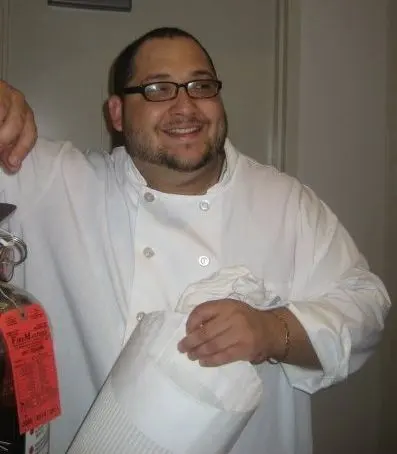
By Daniel Ruiz, former NYC chef June 2026 11 min read
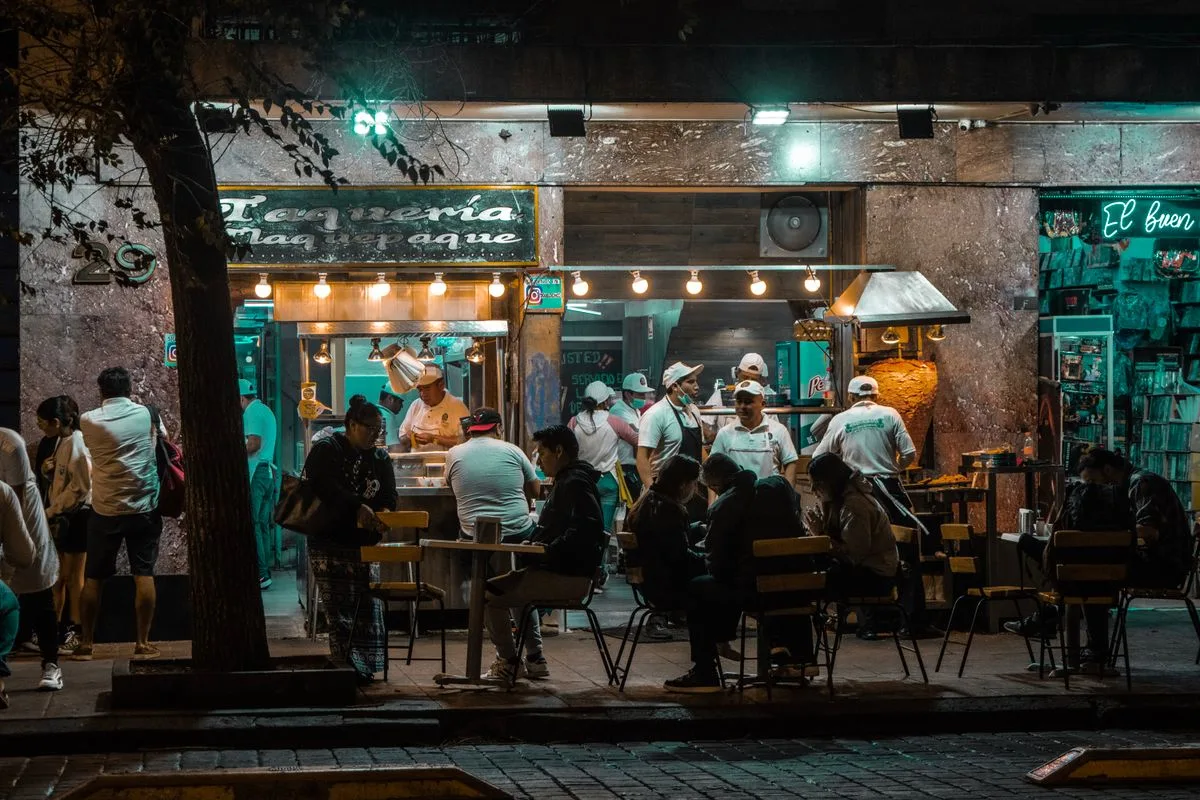
The fastest way to increase restaurant sales usually isn’t more diners, it’s more revenue from the ones you already have. You raise your average check honestly, you give your regulars reasons to come back more often, and you put guests in your slow shifts instead of overloading your Fridays. Three levers, all cheaper than chasing strangers.
I learned this the slow way. I came up through NYC kitchens, line cook to executive chef, and for years I assumed a slow week meant we needed more people through the door. It almost never did. The room was busy enough on Friday and dead on Tuesday, the checks were thinner than they should’ve been, and half our regulars hadn’t been in for a month and we had no idea. The money was already walking through the door, we just weren’t catching all of it. So this is the operator’s version of growing sales, written by someone who has actually worked your floor, no gimmicks, nothing that cheapens the room. Let’s break it down.
The three levers that actually move sales
When an operator tells me sales are soft, I don’t start with marketing. I start with three questions, because the answer is almost always one of these three levers, and all three are cheaper and faster than going out and finding new diners.
Bigger checks
Every table that walks in can spend a little more, a starter, a second round, a dessert, if you make it easy and your staff suggests it well.
More repeat visits
A regular who comes twice a month instead of once is a quiet, free sales increase. Most restaurants never measure it, so they never grow it.
Fill slow nights
Your Friday is maxed out; your Tuesday isn’t. Every cover you add to a dead shift is almost pure upside, the lights are already on.
That’s the whole post, really. Three levers: spend per visit, visits per guest, and butts in seats on your worst nights. Pull on any one of them and sales go up without a single new face walking through the door. Pull on all three and the numbers start to look very different. Everything below is just how to actually do it.
Why “more diners” is the expensive answer
Here’s the trap almost every operator falls into, me included: sales dip, so the instinct is to go find more people. Run an ad, do a promo, get on another delivery app. And sometimes that’s right. But new customers are the most expensive sale you can make. You’re paying, in money or in discounts, to convince a stranger who’s never tasted your food to take a chance on you. That’s a hard, costly sell, and a lot of those folks come once on a deal and never return.
Meanwhile, the people who already know you, who’ve already decided they like your place, are sitting right there. They’re easier to sell a dessert to. They’re easier to get back in the door. They cost you almost nothing to reach because you already have the relationship. Growing sales from the guests you have is just better math, and it’s the part most restaurants completely neglect because chasing new faces feels like growth.
I’m not telling you to stop attracting new customers, that matters, and we wrote a whole separate guide on it. I’m telling you to squeeze the value you’re already leaving on the table first, because it’s cheaper, faster, and it makes every new customer you do win worth more. Get your house in order, then go fill it.
Lever 1: Raise the average check, honestly
This is the one with the fastest payoff, because it works on every single table, tonight. If your average check goes up by the price of a side or a glass of wine, multiply that across every cover for a year and it’s real money, with zero new guests and zero new ad spend. Here’s how you do it without turning your servers into used-car salesmen.
Engineer your menu so the profitable stuff sells itself
Most menus are just a list. A good menu is a sales tool. The dishes that make you the most money, your high-margin stars, should be the ones a guest’s eye lands on first. Put them in a box, give them a little callout, a photo, a “chef’s favorite” tag, or just place them where people actually look (the top of a section, not buried in the middle). You’re not tricking anyone, you’re steering attention toward the dishes you’re proud of and that pay your rent. As a chef, I can tell you the dish with the best margin is very often also the one I most wanted people to order. Feature it.
And kill the dead weight. Every menu has a few items nobody orders that still cost you prep, inventory, and waste. Cutting them doesn’t lose you sales, it concentrates orders onto the dishes that work and makes the kitchen faster. A tighter menu almost always sells better than a sprawling one.
Train staff to suggest, not push
There’s a world of difference between “Do you want fries with that?” and a server who genuinely knows the menu and says, “The braised short rib is what I’d get tonight, and it’s incredible with a glass of the Malbec.” One is a script. The other is hospitality. Guests don’t resent a good recommendation, they’re grateful for it, because deciding is work and a confident suggestion takes that work away.
So train your floor to actually taste the menu and have opinions. Get them to suggest the starter while people are still hungry and deciding. Offer the second round before the first glass is empty, not after. Mention dessert as a real thing (“we make the tiramisu in-house, it’s worth saving room”) instead of a perfunctory “any dessert tonight?” the table can wave off in half a second. The add-ons, an extra side, a sauce, a topping, are the easiest yes on the menu, and most servers never ask. None of this is pushy when it’s done from a place of “I know what’s good here.” That’s just a good host.
Use drinks, dessert, and specials as the lift
Drinks and dessert are where check averages are won or lost, because they carry good margins and they’re the easiest things to forget to sell. A guest who’d happily have a cocktail or split a dessert often just isn’t offered one. A well-placed special, a feature cocktail, a dessert of the day, a Tuesday-only dish, gives the table a reason to add one more thing, and it gives your server something specific and exciting to mention. Specials aren’t just about using up product, they’re a check-average tool. Use them on purpose.
Know the money’s there but can’t chase it between rushes?
Tightening a menu, building an email list, filling slow nights, that’s a lot on top of running service. We handle it, hands-on, by someone who’s actually worked the line.
Lever 2: Bring the guests you have back more often
If lever one is the fastest, this is the most powerful over time. A guest who loves you and comes in once a month is good. The same guest coming in twice a month is double the sales from the exact same person, and it cost you nothing to make that happen except remembering they exist. The problem is most restaurants have no system for it. Guests come, guests have a great time, guests leave, and the restaurant has no way to ever reach them again. That’s the single biggest leak I see.
Give them a reason to come back
Great food and a great night are the foundation, but a specific reason to return beats a vague “we should go back there sometime.” A rotating special they’ll want to catch. A weekly ritual, taco Tuesday, half-price bottles on Wednesday, a Sunday supper. An event worth planning around. You’re trying to turn “that place was great” into “it’s Wednesday, let’s go to our spot.” Regulars aren’t born, they’re built, one good reason at a time.
Capture contact info so you can actually reach them
Here’s the unglamorous truth: you cannot bring guests back if you have no way to talk to them. Every happy table that leaves without you capturing a way to reach them is a relationship you’ll never get back. So build the habit of collecting contact info, a sign-up for a regulars’ list, a birthday club, a “want to hear about events?” line, your reservation and online-ordering systems already collecting emails. It doesn’t have to be aggressive. It just has to exist.
Then actually use it. A simple email list is the highest-return marketing a restaurant has, because you’re talking to people who already like you, for free, whenever you want. A monthly note about a new dish, an event, a special, that’s often all it takes to nudge a quiet regular back in. We dig into exactly how to do this well in our guide to email marketing for restaurants, and honestly, if you only fix one thing this year, make it this.
A light loyalty nudge, if it fits you
You don’t need a complicated points app. Even a simple “your tenth visit is on us” or a small perk for your regulars’ list can tip someone from occasional to frequent. The goal isn’t to bribe people, it’s to recognize the ones who already love you and give the relationship a little structure. Keep it simple, keep it genuine to your place, and it pays back quietly for years.
Lever 3: Fill your slow shifts, not your busy ones
This is the lever operators always get backwards. When sales are soft, the instinct is to pour energy into the nights that are already working. But your Friday is close to capacity, there’s a ceiling on what you can add. Your Tuesday lunch or your Monday night has all the room in the world, and the lights, the rent, and most of the staff are already there. Every cover you add to a dead shift is almost pure upside. That’s where the easy growth lives.
So aim your offers at the slow times, never the busy ones. A few moves that work:
- Off-peak offers. An early-week perk, a happy hour, a “Tuesday is our night” deal. You’re not discounting your whole business, you’re putting a value on filling a shift that’s currently empty, which is worth a lot.
- A prix-fixe or set menu. A simple three-course deal on a slow night gives people a reason to choose you tonight and makes the kitchen’s life easier. It reads as an occasion, not a discount.
- Events and neighborhood nights. A wine dinner, a live-music Tuesday, a local-artist night, a “service-industry Monday” for your fellow restaurant folks. Events give a dead shift a heartbeat and a reason to spread by word of mouth.
- Private parties and group bookings. Your slow nights are perfect for the buyout, the team dinner, the birthday of twelve. One booking can make a whole Monday.
The mindset shift is this: don’t think about your weekly sales as one number, think about it shift by shift. The goal isn’t a more crowded Friday, it’s a less empty Tuesday. That’s where the seats, and the sales, are hiding in plain sight.
Plug the quiet leaks (no-shows, comps, waste)
Before you go chasing more anything, it’s worth spending a minute on the money already slipping out the back. None of this is glamorous, but it’s sales you’re losing for no good reason.
- No-shows. An empty reserved table on a busy night is a sale you turned others away to hold. A simple confirmation text, a held card on big bookings, or an easy way to cancel cuts this way down. You don’t need to be punitive, just present.
- Comps and over-pours. Comping fixes problems and builds goodwill, that’s fine. Comping out of habit, or because nobody’s watching, quietly bleeds margin. Same with heavy pours. Know your numbers and keep an eye on them.
- Waste. Food that gets prepped and tossed is money you already spent and threw away. A tighter menu, smarter prep, and using specials to move product before it turns all claw back real dollars. As a chef this one’s personal, waste always felt like failing twice, once on the cost and once on the cooking.
Plugging leaks isn’t the exciting part of growing sales, but it’s the cheapest. It’s money you’ve already earned and are simply not keeping.
Why small lifts compound
Here’s the thing I wish someone had drilled into me earlier. None of these levers is a home run on its own. A slightly higher check. A regular coming in one extra time a month. A few more covers on a Tuesday. Each one feels small in the moment, easy to shrug off. But they stack, and they stack on top of each other, every single shift, all year long.
Nudge your average check up a little, get your regulars back a little more often, and put a few more people in your slow shifts, and those three small lifts don’t add together, they multiply. That’s how a restaurant goes from scraping by to comfortable without ever feeling like it did something dramatic. It’s the same way you build a great kitchen: not one heroic night, but a hundred small things done right, over and over, until they become how the place runs.
And if all of this feels like one more thing to carry on top of actually running your restaurant, that’s fair, because it is. The reason I do this work is to take it off operators’ plates, the menu engineering, the email list, the slow-night strategy, so you can get back to the part you love. However you tackle it, on your own or with help, start with the guests you already have. The fastest sale you’ll ever make is to someone who already walked through your door.
Key takeaways
- The cheapest way to grow sales is more revenue from the diners you already have, not new ones.
- Raise the average check honestly, menu engineering, confident suggestions, drinks and dessert and specials.
- Bring guests back more often, give them a reason to return and capture contact info so you can reach them.
- Fill your slow shifts, not your busy ones, with off-peak offers, prix-fixe nights, and events.
- Plug the quiet leaks (no-shows, comps, waste) and trust that small, steady lifts compound.
Frequently asked questions
How can I increase restaurant sales without more customers?
Pull three levers on the guests you already have: raise the average check (menu engineering, confident server suggestions, drinks and dessert and specials), bring existing guests back more often (a reason to return plus a way to reach them), and fill your slow shifts with off-peak offers and events. All three are cheaper than finding new diners.
What is the fastest way to raise my average check?
Server suggestion is the fastest, because it works on every table tonight. Train your floor to genuinely recommend a starter, a second round, and dessert from a place of knowing what’s good, not a script. Then back it up by featuring your high-margin dishes on the menu so the profitable stuff is what people see first.
Is it cheaper to keep existing customers or find new ones?
Keeping and re-engaging the guests you have is almost always cheaper. New customers cost money or discounts to win and many come once and never return. People who already like your place are easier to sell to, easier to get back in, and cost you almost nothing to reach, especially through a simple email list.
How do I get more customers on slow nights?
Aim your offers at the slow shifts, never the busy ones. Use off-peak perks or a happy hour, a simple prix-fixe or set menu, events and neighborhood nights, and private or group bookings. Your busy nights are near capacity; every cover you add to a dead shift is almost pure upside since the lights are already on.
Will discounting hurt my restaurant?
Blanket discounting can, because it trains people to wait for deals and shrinks your margins. Targeted offers on slow shifts are different, you’re putting a value on filling a seat that would otherwise sit empty. Keep full price on your busy nights and use deals surgically where you have empty capacity.
What’s the single highest-return thing I can do?
Start capturing guest contact info and build a simple email list. You can’t bring people back if you have no way to reach them, and emailing guests who already like you is the highest-return, lowest-cost marketing a restaurant has. One monthly note about a special or event nudges quiet regulars back in.