Marketing & Promotions
Restaurant Marketing Plan: A Simple One-Page Framework

By Daniel Ruiz, former NYC chef June 2026 11 min read
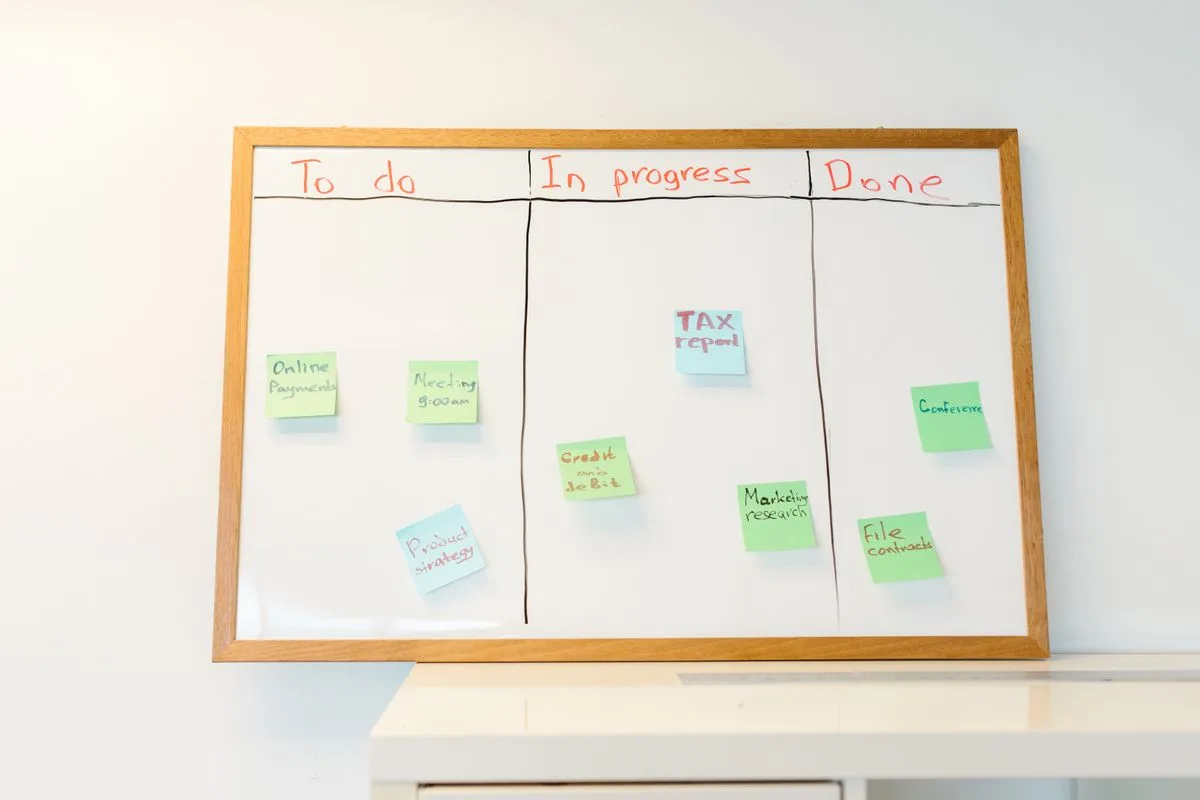
A restaurant marketing plan is a single page that answers seven questions: what you’re trying to fix, who your diner actually is, why they pick you, which two or three channels you’ll use, what you’ll spend in time and money, what you’ll do each week, and how you’ll know it’s working. That’s it. Not a binder, not a deck, one page you’ll actually use.
I came up in NYC kitchens, line cook to executive chef, and the word “plan” used to make me wince, because in a restaurant a “plan” usually meant a thick document somebody made once and nobody ever opened again. So here’s the version I wish I’d had: simple enough to fill in over one coffee, honest about your time and budget, and built to fit on a single page you can pin by the pass. A plan you’ll actually use beats a fancy one you won’t, every time. Let’s build yours.
Why one page beats a binder
Most restaurant marketing plans fail for the same reason most restaurant systems fail: they’re too big to follow on a busy day. Somebody sits down, pours a weekend into a thirty-slide deck full of “brand pillars” and “customer journeys,” feels great about it, and then never opens it again because there’s a Friday rush to survive. Sound familiar? I’ve done it. The deck wasn’t wrong, it was just unusable, and an unusable plan is the same as no plan.
So we’re going to do the opposite. One page. Seven short sections. The goal isn’t to look impressive, it’s to make decisions easier on the days you don’t have time to think. When a rep calls trying to sell you an ad package, or a regular asks why you’re not on some new app, your one-pager answers it in five seconds: does this serve my goal, my diner, and my two channels? No? Then it’s a no. That clarity is the whole point. A real restaurant marketing plan isn’t a document, it’s a filter for where your limited time and money go.
Here’s the mindset before we start: this is a working doc, not a monument. You’ll fill it in pencil, you’ll cross things out, you’ll change it in a month when you learn something. That’s correct. A plan you revise is a plan that’s alive. Let’s go section by section, and by the end you’ll have all seven answers ready to drop into the one-pager at the bottom.
Step 1: Pick one real goal
Every plan starts with a target, and “get more customers” is not a target, it’s a wish. A real goal is specific enough that you’d know whether you hit it. The best restaurant goals are tied to a particular hole in your week or your business, because that’s where marketing actually has somewhere to push.
Look at your own four walls and find the gap. A few that come up constantly:
- Fill the slow shifts. Tuesday through Thursday are dead, the weekend’s already strong. The goal is heads in seats Monday to Thursday, not “more covers” in general.
- Lift covers in a daypart you under-serve. You’re packed at dinner but lunch is a ghost town, or brunch could be twice what it is. Pick the daypart.
- Grow a revenue stream. More takeout and pickup, a bigger private-events calendar, a catering side you’ve barely touched.
- Get found by new locals. You’ve got loyal regulars but nobody three blocks away knows you exist yet. The goal is awareness in your own neighborhood.
Notice these are all outcomes you can picture, not vanity numbers. I’m not going to tell you to chase followers or impressions, those don’t pay rent. Pick the one gap that, if you closed it, would change your month the most. Just one. A plan aimed at one clear target beats a plan trying to fix everything at once, the same way a tight menu beats a sprawling one. Write your single goal at the top of the page. Everything else exists to serve it.
Step 2: Name your actual diner
Now, who are you trying to reach? Not “everyone who eats,” that’s a trap. The restaurants that market well know exactly who walks through the door and, just as importantly, who they’re not for. Your concept, your neighborhood, and your price point already decided this for you. Your job is just to say it out loud.
Picture the real person. The young couple two neighborhoods over looking for a date-night spot they can afford. The office crowd that needs a fast, good lunch within a ten-minute walk. The families on your block who want somewhere relaxed on a Wednesday. The food-curious regulars who follow chefs and want to know what’s new. Each of those people searches differently, decides differently, and is reachable in different places, which is exactly why naming them matters before you pick a single channel.
Then answer the question that does the heavy lifting: why do they choose you over the place around the corner? Be honest and specific. Is it that you’re the only proper ramen within a mile? That you’re the calm, grown-up room in a loud neighborhood? That you’re fast and reliable when everyone else is slow? Back in my kitchen days the spots that thrived always knew their answer cold, and the ones that struggled tried to be a little bit of everything to everyone. Write down your diner in a sentence or two, and the reason they pick you in one more. That clarity makes every other choice on this page easier.
Step 3: Why you’re the obvious pick locally
This is your positioning, and don’t let the marketing word scare you, it just means: in one line, why should a nearby diner choose you? You half-answered it in the last step. Now sharpen it into something you could put on a sign, because that sentence is going to show up everywhere, on your Google profile, your homepage, the top of a post, the way you describe yourself to a stranger.
Good positioning is concrete and a little narrow. “Great food, great service” says nothing, every restaurant claims it. “The neighborhood’s only wood-fired Neapolitan pizza, ready in ten minutes” says something a person can act on. Lean into the thing you genuinely do better than the spots around you, your cuisine, your vibe, your speed, your price, your story. If you’re a former line cook running an honest little room, say that, people feel it.
One honest caution: your positioning has to be true. Don’t promise “fastest lunch in the neighborhood” if your ticket times don’t back it up, because nothing burns trust like a claim the experience doesn’t match. Marketing that oversells a tight kitchen just sets you up for bad reviews. Pick the real thing you can deliver every shift, and build the plan around that. Write your one-line positioning on the page, right under your diner.
Got the plan but not the hours?
Filling in the page is the easy part, running it every week is where it slips. If you’d rather hand the doing to someone who’s actually worked a kitchen, that’s exactly what we do.
Step 4: Pick two or three channels (not all of them)
Here’s where most operators go wrong: they try to be everywhere. Google, Instagram, TikTok, Facebook, email, flyers, a third-party app, the local paper, a billboard the guy keeps calling about, all at once, all half-baked. Spread that thin and every channel gets the leftovers of your attention, which means none of them work. The move is the opposite: pick two or three channels that fit your goal and your diner, and do those well.
I’m not going to run through every channel here, that’s its own guide, and we wrote it: how to market a restaurant: every channel that works walks through each option in detail. For your plan, you just need to choose. The shortlist most restaurants choose from:
- Your Google Business Profile and local search. For most restaurants this is non-negotiable, it’s how nearby, ready-to-eat diners find you. If you pick only one, pick this.
- One social platform you’ll actually feed. Instagram for the visual, food-forward crowd, TikTok if you’ve got personality and time, Facebook if your regulars live there. One, not three. (If Facebook's your pick, here's whether restaurant Facebook ads are worth it.)
- Email or SMS to your regulars. The cheapest, most reliable way to bring back people who already love you, perfect if your goal is filling slow shifts.
- Local and community presence. Partnerships, events, the neighborhood association, press, simple things that build word of mouth where you actually operate.
Match the channel to the goal you wrote in Step 1. Filling Tuesdays with existing regulars? Email and SMS earn their spot. Getting found by new locals? Google and one social platform. Growing catering? Your website, local outreach, and search. Write your two or three on the page and, this is the important part, give yourself permission to ignore everything else. Saying no to a channel is a strategy, not a failure.
Step 5: A budget in time and money
Every plan needs a budget, but in a restaurant the scarcest resource usually isn’t dollars, it’s hours. So budget both, honestly. The fastest way to kill a plan is to design one that needs ten hours a week you don’t have, then feel guilty when it falls apart. Plan for the time you’ll genuinely give it, not the time you wish you had.
Start with time. Be realistic: maybe it’s two hours a week, maybe it’s thirty minutes between the lunch and dinner push. Whatever the honest number is, that’s your budget, and your channel choices in Step 4 have to fit inside it. Two channels done in two hours a week beats five channels you abandon by March. If you genuinely have no hours, that’s useful information too, it tells you which pieces to hand off rather than fake.
Then money. You can run a real plan on close to zero, your Google profile, asking regulars for reviews, posting from your phone, emailing your list, all of that is free but for your time. When you do spend, keep it modest and tied to the goal: a small monthly amount on local ads to fill slow nights, a few dollars for an email tool, a print run of cards for the host stand. Don’t let a salesperson talk you into a budget your goal doesn’t justify. Write your weekly time and your monthly money on the page, and treat both as a ceiling, not a target.
Step 6: A cadence you can keep
A plan only works if it turns into a habit, so the next section is your rhythm: what you’ll actually do each week and each month. This is where good intentions become a routine you can run on autopilot, even during a brutal stretch. Keep it small enough that it survives a bad week, because it’s the bad weeks that test it.
Sketch a simple cadence around your two or three channels. It doesn’t need to be fancy:
- Weekly: post a couple of times to your one social channel, ask a few happy guests for a review, send an email or text if you’ve got something worth saying. Fifteen minutes here, fifteen there.
- Monthly: refresh your Google profile photos, plan any specials or events for slow shifts, glance at what’s working and what isn’t, swap out the dud.
- Seasonally: line up the bigger beats, holidays, a menu change, a neighborhood event, so you’re not scrambling the week before.
The trick is to make it boringly repeatable. In the kitchen, the stations that ran smoothest were the ones with a setup routine you could do half-asleep, same prep, same order, every day. Your marketing cadence should feel the same: a short, fixed list you run without re-deciding each time. Write your weekly and monthly rhythm on the page, then actually put it on a calendar or assign it to someone. A cadence nobody owns is a cadence that quietly dies.
Step 7: How you’ll know it’s working
Last section, and an important one to get right, because this is where a lot of advice goes off the rails. You need a way to tell whether the plan is working, but you do not need a dashboard full of vanity metrics, and I’m going to be straight with you about what we can and can’t honestly promise here.
First, the honesty: we don’t do reservation reporting or cost-per-booking math, nobody credible should promise to tie a specific diner in a seat back to a specific post, the data just doesn’t connect that cleanly for a restaurant. Anyone who claims they can prove “this Instagram story sold these four covers” is hand-waving. So ignore that whole game. Instead, watch a few simple, real-world signals tied to the goal you set in Step 1:
- Are the slow shifts less slow? If your goal was filling Tuesday to Thursday, the truest signal is standing in your own dining room on a Wednesday and seeing more heads than last month.
- Are new faces showing up? Ask. “How’d you hear about us?” at the table tells you more than most analytics ever will, and it costs nothing.
- Is the basic stuff growing? More Google reviews, more profile views, a slowly growing email list. A simple Google Analytics setup on your site can show whether more people are finding it. These are directional, not proof, and that’s fine.
- Does it feel busier where you aimed? You run this place every day. Your gut, checked against your covers, is a more honest read than a vanity number on a screen.
Pick two or three signals that match your goal, write them on the page, and check them once a month, not once an hour. If a channel clearly isn’t moving any of them after a fair shot, cut it and put that time somewhere better. That’s the whole feedback loop: aim, run the cadence, watch a couple of honest signals, adjust. No spreadsheet gymnastics required.
Your one-page marketing plan
Here’s everything above, distilled into the one page. Fill in each line and you’ve got a real, working restaurant marketing plan, the kind you can pin by the pass and actually follow. Tick the boxes as you complete each section, and hit “Save as PDF” to keep it or print it for whoever’s helping you run it. No email, no catch, it’s yours.
Your one-page restaurant marketing plan
Making it a plan you’ll actually use
You’ve got your page. Now the only thing that matters is whether you use it, so here’s how to make it stick. Put it somewhere you’ll see it, taped inside the office, saved on your phone, pinned wherever you do the books. A plan in a drawer is the same as no plan. The whole reason we kept it to one page is so it lives in arm’s reach, not in a folder you open twice a year.
Then give it a standing five minutes. Once a month, sit with the page, check your two or three signals, and ask one question: is this still serving the goal? Cross out what isn’t working, double down on what is, change the goal when the gap you were filling is filled. This is the part people skip, and it’s the part that makes a plan compound instead of go stale. A living one-pager you revisit beats a perfect plan you wrote once and forgot, every single time.
And if you read all this and thought, “this is sensible, I just don’t have the hours,” that’s a completely fair place to land, and it doesn’t mean the plan was wrong. It means the honest answer in your time budget was “almost none,” which is useful, it tells you exactly what to hand off. Filling the plan in still pays off, because even if someone else runs the channels, you’ll know your goal, your diner, and your positioning cold, and that’s the part nobody can do for you. The whole reason I got into this work was to take the running of it off operators’ plates so they can get back to the food. However you tackle it, a simple plan you use beats a fancy one you don’t. Build the page, then go run your shift.
Key takeaways
- A restaurant marketing plan is one page, not a binder, seven short answers you’ll actually use.
- Start with one real goal (fill slow shifts, lift a daypart, grow takeout), then name the diner and why they pick you.
- Pick two or three channels, not all of them, and budget honestly in time and money.
- Run a simple weekly cadence someone owns, and judge it on honest signals, not vanity metrics.
- Revisit the page monthly. A plan you’ll actually use beats a fancy one you won’t.
Frequently asked questions
What should a restaurant marketing plan include?
At minimum: one specific goal, who your diner actually is and why they pick you, your one-line positioning, the two or three channels you’ll run, a realistic budget in both time and money, a weekly and monthly cadence, and a couple of honest signals to tell whether it’s working. That all fits on one page.
How do I write a simple restaurant marketing plan?
Answer seven short questions in order: your goal, your diner, why they choose you, your channels, your budget, your cadence, and how you’ll know it’s working. Fill in the one-page framework above in pencil, pin it where you’ll see it, and revisit it monthly. You can build it in an afternoon.
How many marketing channels should a restaurant use?
Two or three, done well, beats being everywhere half-heartedly. Pick the channels that fit your specific goal and your diner, usually your Google Business Profile plus one social platform and maybe email or SMS, and give yourself permission to ignore the rest.
How much should a restaurant spend on marketing?
There’s no universal number, and you can run a real plan on close to zero since your Google profile, reviews, posting, and email are free but for your time. When you do spend, keep it modest and tied to your goal, and treat both your time and money budgets as a ceiling rather than a target.
How do I know if my restaurant marketing is working?
Watch a few honest, real-world signals tied to your goal: are the slow shifts less slow, are new faces showing up, are your reviews and profile views growing. Ask guests how they found you. We don’t promise reservation-level reporting, because you can’t cleanly tie one post to one booked table, so trust simple signals checked monthly.
How often should I update my restaurant marketing plan?
Give it five minutes once a month. Check your signals, cut what isn’t working, double down on what is, and change the goal when the gap you were filling is filled. A living one-pager you revisit beats a polished plan you wrote once and forgot.