Marketing & Promotions
How to Market a Restaurant: Every Channel That Works
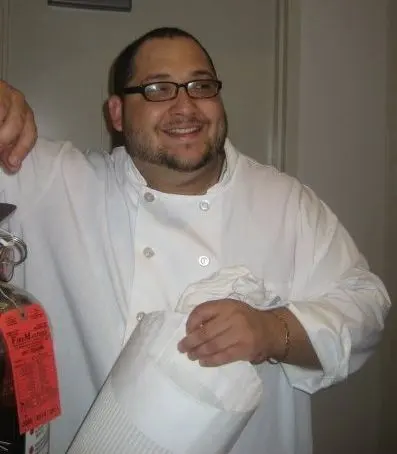
By Daniel Ruiz, former NYC chef June 2026 13 min read

Here’s how to market a restaurant, the short version: get found on Google first (your Business Profile and local SEO), earn and answer reviews, point everything at a fast website, then layer on social media, great food photos, and an email list you own. You don’t do all of it at once, you start with the channels that get hungry, nearby people through your door and build from there.
If you came up in kitchens like I did, line cook to executive chef over about a decade in New York, “marketing” probably sounds like a whole second job nobody trained you for. It kind of is. So think of this page as your map, not your to-do list for tonight. I’ll walk every channel that actually works for a restaurant, give you the honest take on each, who it’s best for, and exactly where to go deeper when you’re ready. Read it once to get the lay of the land, then pick your starting point. Let’s break it down.
How to think about marketing a restaurant
Before we touch a single channel, one idea will save you a lot of wasted effort: marketing a restaurant is mostly about being easy to find and easy to choose. That’s it. Somebody nearby gets hungry, they reach for their phone, and your whole job is to be the obvious answer when they do, then to make it effortless to book, order, or walk in. Every channel below is just a different way of serving that one goal.
The second idea is just as important: you cannot do all of these at once, and you shouldn’t try. A restaurant that does two channels well beats one that does six channels badly, every time. I’ve watched good operators burn out trying to post on five platforms, run ads, and start a newsletter all in the same week, and then quit all of it by month two. Pick a couple, do them properly, make them habit, then add the next one. Focus is the whole strategy.
So as you read, don’t feel like you’re falling behind because you’re not doing everything here. You’re not. This is the full menu so you can choose well, not a list of failures. By the end you’ll know which channels matter most for a place like yours and the order to tackle them in.
Getting found on Google (start here)
What it is: When someone searches “restaurants near me,” “tacos open now,” or “best brunch nearby,” Google shows a short list, often with a little map, before they ever scroll. Getting found on Google means winning a spot on that list. It runs on two free things: your Google Business Profile (the box with your hours, photos, menu, and reviews) and basic local SEO (making sure Google knows exactly who you are, where you are, and what you serve).
Why it matters: People don’t drive around looking for somewhere to eat anymore. They search, and they pick from whatever comes up first. If you’re not in those top results, it doesn’t matter how good your food is, you’re invisible to the very people standing three blocks away with their wallet out. This is the channel that turns nearby hunger into someone walking through your door, which is why it comes first for almost every restaurant.
Who it’s best for: Every restaurant with a physical location, full stop. There is no “maybe” here. If you do one thing from this entire guide, claim and fully fill out your Google Business Profile.
Go deeper: I wrote a plain-English walkthrough of the whole thing, the profile, the categories, the map pack, all of it, in restaurant SEO 101. Start there.
Reviews & reputation
What it is: The stars and written reviews on your Google profile (and Yelp, Tripadvisor, and the rest), plus how you respond to them. Reviews are both a ranking signal and a sales pitch you don’t fully control.
Why it matters: Reviews do two jobs at once. They help push you up the rankings, and they’re the last little nudge a hungry stranger needs before choosing you over the place around the corner. People read them before they ever walk in, that scroll through your reviews is the new front door. A wall of recent, honest reviews, with thoughtful replies to the rough ones, does more to fill a table than almost anything else you can control. And you can’t fake it, bought reviews read as fake and break the platforms’ rules, so don’t.
Who it’s best for: Everyone, again. Reviews compound, so the sooner you build the habit of asking happy guests and replying to all of them, the better. This pairs hand in hand with getting found on Google, they’re really two halves of the same channel.
Go deeper: Here’s the honest, no-tricks way to build them up, including how to ask without being annoying, in how to get more Google reviews.
Your website: the home base everything points to
What it is: Your own site, the one place online that you fully own and control. Your Google profile, your Instagram, your email, every channel eventually points people here to look at the menu, book a table, or place an order.
Why it matters: Think of your website as the dining room everything else leads to. Your Business Profile gets you found, but your website is where the decision gets made and the booking gets closed. It also backs up your ranking. You don’t need anything fancy, you need it to do four things well: load fast, work effortlessly on a phone, show your menu as real text (not a slow, blurry PDF Google can’t read), and keep “book a table” or “order now” one tap away on every screen. Get those four right and you’re ahead of most restaurants in town.
Who it’s best for: Every restaurant, though how much you invest scales with your goals. A neighborhood spot needs a clean, fast, mobile site with a real-text menu and a booking link. A place leaning on private events or a strong brand story can justify more.
Go deeper: Here’s what a website that actually fills seats looks like, and how we build them: restaurant website design.
Looking at this whole map and feeling it?
That’s a lot of channels for one person who also has a kitchen to run. If you’d rather hand the marketing to someone who’s actually worked the line, that’s exactly what we do.
Social media (Instagram first)
What it is: Showing up where people scroll, mostly Instagram for restaurants, with photos, short videos, stories, and the occasional behind-the-scenes look at your kitchen and team. It’s the channel where people fall a little in love with your place before they ever visit.
Why it matters: Social won’t usually catch someone in the exact moment they’re deciding where to eat tonight, that’s what Google is for. What it does is build desire and familiarity over time, so when they’re finally hungry near you, you’re the place they already wanted to try. It’s also where your regulars stay connected and where your food gets shared. Here’s the honest part: social is a slower, fuzzier payoff than Google, and it eats time. Done casually and consistently, it’s great. Done frantically across five platforms, it’ll burn you out. Pick one, usually Instagram, and keep it simple.
Who it’s best for: Places with photogenic food, a strong vibe, or a younger crowd get the most out of it. Nearly everyone benefits a little, but don’t let it crowd out your Google work, which pays back faster.
Go deeper: Start with the beginner’s walkthrough in restaurant Instagram marketing, and when you just need things to post, here’s a stack of restaurant social media post ideas so you’re never staring at a blank screen.
Food photography (the fuel for everything)
What it is: Good photos of your food and your room. Not a separate channel exactly, more the fuel that makes every other channel work, your Google profile, your website, your social, your menu, your ads.
Why it matters: People eat with their eyes first. A sad, yellow, blurry plate under the heat lamps undersells food you worked hard to plate, and a bright, crave-worthy shot does the opposite, it sells the dish before anyone tastes it. I spent years plating food I was proud of and then watching it get a terrible snapshot, so this one’s personal. The good news: you don’t need a real camera or a stylist. A window, soft daylight, a clean plate, and a few habits with the phone you already own will get you most of the way.
Who it’s best for: Every restaurant, because every channel above is hungry for images. If your photos are weak, fixing them lifts everything else at once. It’s one of the highest-leverage things you can improve.
Go deeper: Here’s the craft and styling side, props, color, telling a story with a plate, in food photography tips.
Email & loyalty (the audience you own)
What it is: Collecting your guests’ email addresses (and running any kind of loyalty or repeat-visit program) so you can reach them directly, no algorithm in the middle. A monthly note about a new dish, an event, a slow Tuesday special.
Why it matters: Here’s the thing about social media followers and Google rankings, you don’t actually own any of it. The platform can change the rules tomorrow and your reach evaporates. Your email list is the one audience you truly own. It’s also where the real money quietly lives, because filling seats with people who already love you is far cheaper than finding brand-new diners. A good list turns one-time visitors into regulars, and regulars are what keep the lights on between rushes. It’s patient, unglamorous, and one of the most underrated channels in this whole guide.
Who it’s best for: Any restaurant that wants repeat business, which is basically all of you. It matters even more if you have a slow night to fill, a private-events side, or a loyal regular crowd worth nurturing.
Go deeper: Here’s how to start a list and what to send without being a pest: email marketing for restaurants.
Branding & your menu (look the part, sell the right dishes)
What it is: Two related things. Branding is the look and feel that makes you recognizably you, your name, colors, logo, voice, the vibe people remember. Your menu is a marketing document hiding in plain sight: how it’s designed and laid out quietly steers what people order and how much they spend.
Why it matters: Branding is what makes all the other channels feel like one place instead of five disconnected accounts. It’s the difference between “some restaurant” and “that spot.” And your menu does real money work every service, a smart layout nudges guests toward your best, most profitable dishes and away from the ones that aren’t worth the labor. Most operators never think of the menu as marketing. It absolutely is, and it’s working on every single guest who sits down.
Who it’s best for: Branding matters most for newer places, rebrands, or anyone whose identity feels muddy. Menu design matters for everyone, because everyone hands one to every guest.
Go deeper: Start with practical, money-aware menu design ideas you can use on your next reprint.
A quick word on paid ads, events & partnerships
These are lighter-touch channels, worth knowing, not worth leading with for most restaurants. I’d rather you nail the free fundamentals first.
Paid ads (Google or social) can work, but they’re an accelerator, not a foundation. Pouring ad money into a weak Google profile and a slow website is like turning the burners up under an empty pan, you just waste fuel. Get the free stuff dialed first, then test small if you’ve got budget to spare.
Events, a tasting night, a holiday menu, a game-day watch party, live music, a collab dinner, are great for giving people a fresh reason to come in and a great thing to post and email about. They feed your other channels more than they stand alone.
Partnerships with nearby businesses, local makers, a neighboring shop, a food publication, or a well-loved local creator can put you in front of a warm, local audience you’d never reach otherwise. The best ones are genuine and neighborhood-rooted, not transactional. Worth pursuing once your fundamentals are humming.
The channel cheat sheet
Here’s every channel above on one card, so you can see at a glance what each is best for and roughly how much effort it asks. “Effort” here means your ongoing time, not difficulty, most of these are simple, some just need feeding more often than others.
| Channel | Best for | Effort |
|---|---|---|
| Google & local SEO | Getting found by hungry, nearby diners. The #1 priority for everyone. | Low setup, low upkeep |
| Reviews & reputation | Ranking higher and reassuring people who are deciding right now. | Low, but ongoing habit |
| Website | The home base that closes the booking and backs your ranking. | Build once, light upkeep |
| Social media | Building desire and staying top of mind over time. | Medium to high, ongoing |
| Food photography | Fueling every other channel with crave-worthy images. | Low once it’s a habit |
| Email & loyalty | Owning your audience and turning visitors into regulars. | Low, slow-burn payoff |
| Branding & menu | Looking the part and steering guests to your best dishes. | Mostly one-time work |
| Ads, events & partnerships | Accelerating once the free fundamentals are solid. | Varies, do later |
Notice the pattern: the highest-impact channels for a restaurant also tend to be the lowest-effort and free. That’s not an accident, it’s exactly why they come first.
Where to actually start
You’ve seen the whole map. Now the part that matters most: where to begin so you don’t drown. Do these in order, and don’t move to the next one until the last is genuinely handled, not perfect, just handled.
- First, your Google presence. Claim and fully fill out your Google Business Profile, get your name, address, and phone identical everywhere, and start asking happy guests for reviews. This is the fastest, cheapest, highest-impact work in the whole guide. Start here even if you do nothing else this month.
- Second, your website. Make sure it loads fast, works on a phone, shows your menu as real text, and puts booking or ordering one tap away. This is the home base everything else points to, so it has to be solid before you drive traffic to it.
- Third, fix your photos. A folder of bright, crave-worthy shots lifts your Google profile, website, and social all at once. High leverage, low cost.
- Then layer on the rest, one at a time. Pick social or email next based on your crowd (younger, photogenic, vibe-driven? social. repeat-business, events, regulars? email), and build the habit before adding another. Branding, menu, ads, and partnerships come in as you have room.
That’s the whole strategy: get found, give people a fast home base to land on, make the food look as good as it tastes, then deepen the relationship over time. You do not need to be everywhere. You need to be findable, choosable, and consistent in the few places that count.
And if all of this still reads like a second full-time job stacked on top of the one you already have, that’s a fair read, because it is. The reason I started doing this work was to take it off operators’ plates, the same way a good sous takes tickets off yours, so you can get back to the part you actually love. However you tackle it, on your own with these guides or with help, doing a little well beats doing nothing, every single time.
Key takeaways
- Marketing a restaurant is really about being easy to find and easy to choose, every channel serves that.
- Start with your Google presence (Business Profile, local SEO, reviews), it’s free and the highest impact.
- Your website is home base, fast, mobile, real-text menu, booking one tap away, that everything points to.
- Good photos fuel everything, and email is the one audience you actually own.
- Don’t do it all at once. Two channels done well beat six done badly. Focus, then layer on.
Frequently asked questions
What’s the best way to market a restaurant?
For almost every restaurant, getting found on Google comes first: claim and fully fill out your Google Business Profile, keep your details consistent everywhere, and build up honest reviews. That captures hungry people nearby in the moment they’re deciding. Then point everything at a fast, mobile website and layer on social, food photography, and email over time. Start with the free, high-impact fundamentals before anything else.
How do I market a restaurant on a small budget?
Lean on the channels that are free and high-impact: your Google Business Profile, local SEO, reviews, good phone photos of your food, and an email list you build from your own guests. These cost time more than money and consistently move the needle more than paid ads. Save ad spend for later, once your free fundamentals are solid, otherwise you’re paying to send people to a weak listing or slow site.
Do restaurants really need social media?
It helps, but it’s rarely where you should start. Social builds desire and keeps you top of mind over time, but it won’t usually catch someone in the exact moment they’re deciding where to eat, that’s what Google does. If you’re short on time, get found on Google first, then add one social platform (usually Instagram) and keep it simple and consistent rather than spreading thin.
What marketing channel should a restaurant start with?
Your Google presence, every time. Claiming and fully completing your Google Business Profile, keeping your name, address, and phone consistent everywhere, and asking happy guests for reviews is the fastest, cheapest, highest-impact work there is. Once that’s handled, make sure your website is fast and mobile-friendly, then fix your food photos. Everything else layers on after.
How many marketing channels should a restaurant use at once?
Fewer than you think. A restaurant that does two channels well beats one that does six channels badly. Start with your Google presence and website, add good photos, then pick social or email as your next channel based on your crowd, and build the habit before adding more. Focus beats spreading thin in every case I’ve seen.
Can I market my restaurant myself or do I need an agency?
You can absolutely start yourself, and you should, the free fundamentals (Google profile, reviews, photos, a clean website) are all doable on your own, and the guides linked throughout this article walk you through each one. Many operators hand it off later when it starts eating time they’d rather spend in the kitchen. Do a little well on your own first; bring in help when the marketing is competing with running the place.