Social Media
Restaurant Instagram Marketing: A Beginner's Guide
By Daniel Ruiz, former NYC chef June 2026 12 min read
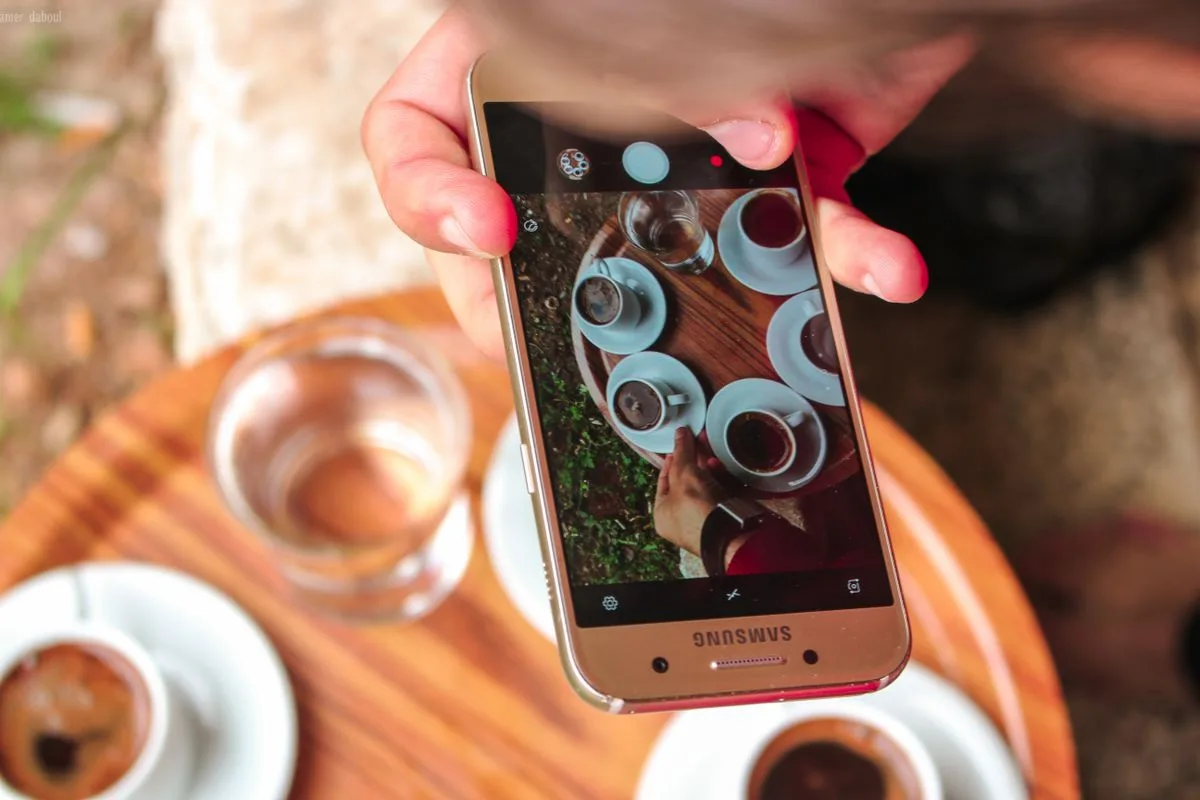
Restaurant Instagram marketing is how you use Instagram to get discovered by nearby diners, help them decide to come in, and turn that interest into actual covers. For a restaurant, Instagram works less like a billboard and more like a window onto your dining room, the place people look before they choose where to eat.
Real talk: if you came up in kitchens like I did, line cook to executive chef, posting on Instagram probably feels like one more chore nobody trained you for, somewhere between counting the walk-in and cutting the schedule. I get it. So this is the version nobody gave me, plain English, no growth-hacker nonsense, written for someone who has never run a business account and just wants more people in seats. We’ll set up your profile right, figure out what to actually post, and make sure all those followers turn into bookings instead of just likes. Take it one section at a time.
Why Instagram matters for a restaurant
Here’s the thing about Instagram that most “marketing experts” skip past: for a restaurant, it’s not really a social network. It’s a discovery and decision engine. Somebody hears your name from a friend, or stumbles on a photo of your short rib, and the very first thing they do is pull up your Instagram to decide whether you’re worth leaving the house for. Your grid is the front window now, whether you’ve dressed it or not.
And it’s deeply local. The people who matter most to you aren’t followers in another time zone, they’re the ones a few blocks away deciding where to eat tonight. Instagram quietly puts your food in front of those exact people, through the explore feed, through location tags, through a friend tagging them in a comment. When it works, it does the job your old chalkboard sign used to do, except the sidewalk runs through every phone in the neighborhood.
I’ll be honest with you about expectations, because nobody else will: Instagram is not going to fill a slow Tuesday by itself, and chasing a giant follower count is mostly a waste of your time. What it will do, done right, is make you the obvious, appetizing, easy-to-book choice when a nearby diner is already hungry and looking. That’s the whole game, and it’s a winnable one, even if you’ve never posted a thing.
Setting up your profile the right way
Before you post anything, get the foundation right. A great photo on a half-built profile is like a beautiful plate sent out on a dirty table, the work gets undercut by the setup. The good news: you do this once, it takes maybe twenty minutes, and almost nobody bothers, so doing it well puts you ahead of half the restaurants in town.
Switch to a business (or professional) account. It’s free, it lives in your settings, and it unlocks the things a restaurant actually needs: contact buttons, the ability to add your location and category, and a look at which posts are landing. If you’re running a personal account right now, this is the first move. Do it before anything else.
Write a bio that answers three questions. A stranger who lands on your profile is silently asking: What is this? Where is it? Why should I come? Your bio has a few seconds and a couple of lines to answer all three. Skip the vague mission statement. Say what you serve, where you are, and the one thing that makes you you, “Wood-fired Neapolitan pizza in the Mission. Natural wine, no reservations, here since ’14.” That’s a bio that fills tables.
Nail the link in bio. This is the single most-wasted piece of real estate on restaurant Instagram. Instagram gives you one clickable link, and most places leave it blank or point it at a homepage that buries the menu. Don’t. Point it where people want to go: your menu, your reservations, your online ordering. If you need all three, use a simple link-in-bio page that lists them as buttons. Every tap on that link is someone leaning toward walking in, make it effortless.
Add your location, category, and action buttons. A business account lets you tag your actual address (so your profile shows up on the map and people can get directions in one tap), set your category to “Restaurant” or something more specific, and add buttons like “Reserve,” “Order food,” or “Call.” Wire these up once. They quietly turn your profile from a photo album into a booking tool.
Use a clean, recognizable profile photo. Your logo, or a crisp shot of your sign or your best-known dish. It shows up tiny, in comments, in search, next to every story, so make sure it reads at thumbnail size. If you can’t tell what it is on a phone in a second, simplify it.
Story Highlights: your menu, hours, and FAQs, always on
Stories disappear after a day, but Highlights are the little circles that live permanently under your bio, and they’re one of the most useful tools you’ve got. Think of them as the pinned answers to every question a diner has before they come in. Set them up once and they work for you around the clock, like a host who never clocks out.
The ones worth building first:
- Menu, a few clean shots or screenshots so people can browse without leaving the app
- Hours, when you’re open, plus the brunch or late-night exceptions people always ask about
- Location, a photo of the storefront, the cross streets, parking or transit tips
- FAQs, reservations or walk-ins? Outdoor seating? Good for groups? Allergy-friendly? Answer the questions your phone rings about
Give each Highlight a simple cover and a one-word name. None of this is fancy, and that’s the point. It just quietly removes every little reason someone might have to hesitate, and hesitation is what loses you the table.
What to actually post (the simple mix)
This is where most people freeze, so let me take the pressure off. You do not need a content calendar, a theme, or a “brand aesthetic.” You need a simple, repeatable mix you can pull from forever. If you want a deep bench of specific ideas, I wrote a whole piece on restaurant social media post ideas, that’s the one to keep open as a menu of options. Here, I just want you to understand the four buckets so you’re never staring at a blank screen.
- Food. The obvious one, and still the most important. People eat with their eyes first. Your dishes, plated, steaming, mid-pour, mid-pull. This is what makes a stranger hungry enough to click your link.
- People and behind-the-scenes. Your cooks on the line, the morning prep, the new hire’s first shift, you breaking down a delivery. This is the stuff that makes a restaurant feel like a place run by real humans, and it’s what people actually root for.
- Specials and what’s new. Tonight’s special, the seasonal cocktail, the dish you’re testing. These give people a fresh reason to come in this week, not someday.
- Regulars and guests (UGC). When a guest posts a great shot and tags you, that’s gold, reshare it. A recommendation from a real diner lands harder than anything you’ll ever say about yourself.
Rotate through those four and you’ll never run dry. One more thing, because it matters: the food has to look good. Not professional-studio good, but appetizing. A muddy, dim photo of an incredible dish does you no favors. If your phone shots aren’t landing, spend twenty minutes with my guides on how to take food photos like a pro and these food photography tips for restaurant owners. Better light and a cleaner angle will do more for your Instagram than any caption trick.
Posting between rushes and it’s falling off?
Keeping an Instagram alive on top of running a restaurant is a real job, I’ve been on that floor. If you’d rather have it handled by someone who’s actually worked a kitchen, running your social is exactly what we do.
Feed vs Stories vs Reels, and which to bother with
Instagram has three main places to post, and as a beginner you don’t need to master all of them at once. Here’s what each one is actually for, in plain terms, so you can stop overthinking it.
Feed
Your permanent grid, the front window. This is what a stranger scrolls when deciding on you. Your best food and your clearest info live here.
Stories
The everyday, casual stuff that vanishes in a day. Specials, prep, a quick “we’re open.” Low-pressure, for the people already following you.
Reels
Short video, and the one that reaches new local people who don’t follow you yet. This is your discovery engine. Worth a real try.
If you’re just starting, here’s the order I’d give you: get your feed looking appetizing and complete, post to Stories casually a few times a week so you stay on people’s radar, and then start experimenting with Reels. Reels are where the reach is right now. A fifteen-second clip of a pizza coming out of the oven or a cocktail being built can land in front of hundreds of nearby people who’ve never heard of you, the way a feed post rarely will. You don’t need a film crew. You need your phone, decent light, and something satisfying to watch.
A posting rhythm you can actually keep
Let me save you from the single most common mistake: posting like crazy for two weeks, burning out, and then going dark for two months. A quiet account looks closed. Consistency beats volume, every time. Three solid posts a week, forever, will do far more for you than ten in a burst and then nothing.
So pick a number you can sustain on your worst week, not your best one. For most operators that’s two or three feed posts a week, plus a handful of casual Stories. That’s it. If once a week is all you can honestly commit to right now, commit to that and hit it every single week. The restaurant that shows up reliably, even modestly, beats the one that shows up brilliantly and then disappears.
A small trick that makes this survivable: batch it. Instead of scrambling for a post every day, spend twenty minutes once a week shooting a few dishes during a slow stretch, then dole them out over the days. Treat it like prep. You wouldn’t butcher to order during a rush, and you shouldn’t scramble for content during one either. Get it ready ahead, and posting becomes a two-minute job instead of a daily scramble.
Getting found by local diners
This is the part that turns Instagram from a scrapbook into a marketing channel: helping the right people, the nearby, hungry ones, actually find you. None of it is complicated.
- Tag your location on every post. When you add your location, your posts can show up when people browse that place or neighborhood on the map. It’s one tap and it’s free reach. Never skip it.
- Use local hashtags, not generic ones. Forget #foodie and #yum, you’re a needle in an ocean there. Use your neighborhood, your city, your local food scene: your town’s name, your district, “eats” and “restaurants” tags for your area. A handful of specific, local tags beats a wall of broad ones.
- Tag and mention your neighborhood. Reference the street, the park nearby, the landmark down the block. It signals to both people and Instagram that you serve this community, and it makes locals feel like you’re theirs.
- Tag suppliers and neighbors. The farm you buy from, the roaster down the street, the brewery you pour. They often reshare, and you tap into their nearby audience, the exact people who might wander over.
The thread running through all of this: be unmistakably, proudly local. You’re not trying to go viral with strangers across the country. You’re trying to be the place the neighborhood knows, and a little intentional tagging is how Instagram learns to show you to them.
Engaging like a human, not a brand
Here’s something I learned running a floor that translates straight to Instagram: hospitality is just paying attention to people. The accounts that win aren’t the slickest, they’re the warmest. So treat your Instagram like the dining room it represents.
- Reply to comments. Every one, even a heart or a quick thanks. It tells people there’s a human back there who’s glad they showed up.
- Reshare guests who tag you. When a diner posts your food and tags you, repost it to your Stories with a thank-you. It makes that guest feel seen and shows everyone else that real people love your place.
- Answer your DMs. People will message you about reservations, hours, big-group questions. Those are warm leads walking in the door, treat them like a guest at the host stand, not a notification to ignore.
- Engage with your neighbors. Comment on the other local spots, the nearby shops, the community accounts. Be a good neighbor online the same way you would on the block. It’s how a local scene notices you.
None of this is a growth tactic. It’s just being a present, gracious host in a new room. But it’s also exactly what makes people feel something for your place, and feeling something is what gets them off the couch and into your seats. Paying an outside account to post you, though, is a different game, so here's my honest take on whether restaurant influencer marketing is worth it for your kind of place.
Turning followers into actual covers
This is the part operators forget, and it’s the whole point, so don’t skip it. Followers and likes are not the goal. Covers are the goal. A pretty account that never gives anyone a clear path to walk in is a hobby, not marketing. Here’s how you close the loop.
- Make booking effortless. Your link in bio points to reservations or ordering, and your profile has a “Reserve” or “Order” button. When someone’s sold, the path from “I want this” to “I have a table” should be one or two taps. Every extra step loses people.
- Tell people what to do. Don’t just post a gorgeous dish and go quiet. End the caption with a nudge: “Book through the link in our bio,” “We’re open till 11 tonight,” “Walk-ins welcome.” People follow clear invitations.
- Post your hours and specials where they drive action. A Story that says “patio’s open, sun’s out, come grab a table” on a nice afternoon converts. So does “tonight only: the short rib special.” Tie what you post to a reason to come now.
- Run the occasional simple promo. Nothing elaborate. A slow-night special, a “mention this post for a free dessert,” a small giveaway for a tagged friend. The point isn’t to be clever, it’s to give a lurking follower a little push to finally come in. If you do run a giveaway, post simple, honest rules and the disclaimer the platforms expect, that it’s not sponsored by or affiliated with Instagram.
Keep that loop in mind every time you post: this is lovely, but what do I want someone to do after they see it? If the answer is “come eat,” make that the easiest thing in the world to do. That single shift, from collecting followers to filling tables, is what separates a restaurant that markets on Instagram from one that just posts on it.
Key takeaways
- Instagram is a discovery and decision engine for nearby diners, not a popularity contest.
- Get the profile right first: business account, a bio that answers what/where/why, and a link in bio that goes straight to menu and booking.
- Post a simple, repeatable mix and lean on Reels to reach new local people.
- Consistency beats volume, pick a cadence you can keep and batch your content like prep.
- Always close the loop: turn followers into covers with clear, easy paths to book or come in.
Frequently asked questions
How do I start Instagram marketing for my restaurant?
Start by switching to a free business account, writing a clear bio, and setting your link in bio to your menu and reservations. Then build Story Highlights for your menu, hours, location, and FAQs. That foundation takes about twenty minutes and puts you ahead of most restaurants before you’ve posted a thing.
What should a restaurant post on Instagram?
Rotate through four simple buckets: appetizing food, behind-the-scenes and people, specials and what’s new, and reshares of guests who tag you. You don’t need a fancy content calendar, just a repeatable mix you can pull from forever.
How often should a restaurant post on Instagram?
Pick a rhythm you can keep on your worst week, not your best one. For most operators that’s two or three feed posts a week plus a few casual Stories. Consistency beats volume, a steady trickle forever outperforms a burst followed by going dark.
Are Reels worth it for a small restaurant?
Yes, more than almost anything else. Reels are Instagram’s discovery engine right now, and a short clip of a dish coming together can reach nearby diners who don’t follow you yet. You don’t need a crew, just your phone, decent light, and something satisfying to watch.
How do I get found by local diners on Instagram?
Tag your location on every post, use specific local hashtags (your neighborhood and city, not generic ones like #foodie), mention nearby landmarks, and tag local suppliers and neighbors who might reshare you. The goal is to be unmistakably local, not to go viral nationally.
How do I turn Instagram followers into actual customers?
Make booking effortless with a link in bio that goes straight to reservations or ordering and a “Reserve” or “Order” button on your profile, then end posts with a clear next step like “book through the link in our bio” or “we’re open till 11 tonight.” Followers aren’t the goal, covers are.