SEO & Local Search
Restaurant Review Management That Takes 20 Minutes a Week

By Daniel Ruiz, former NYC chef July 2026 10 min read
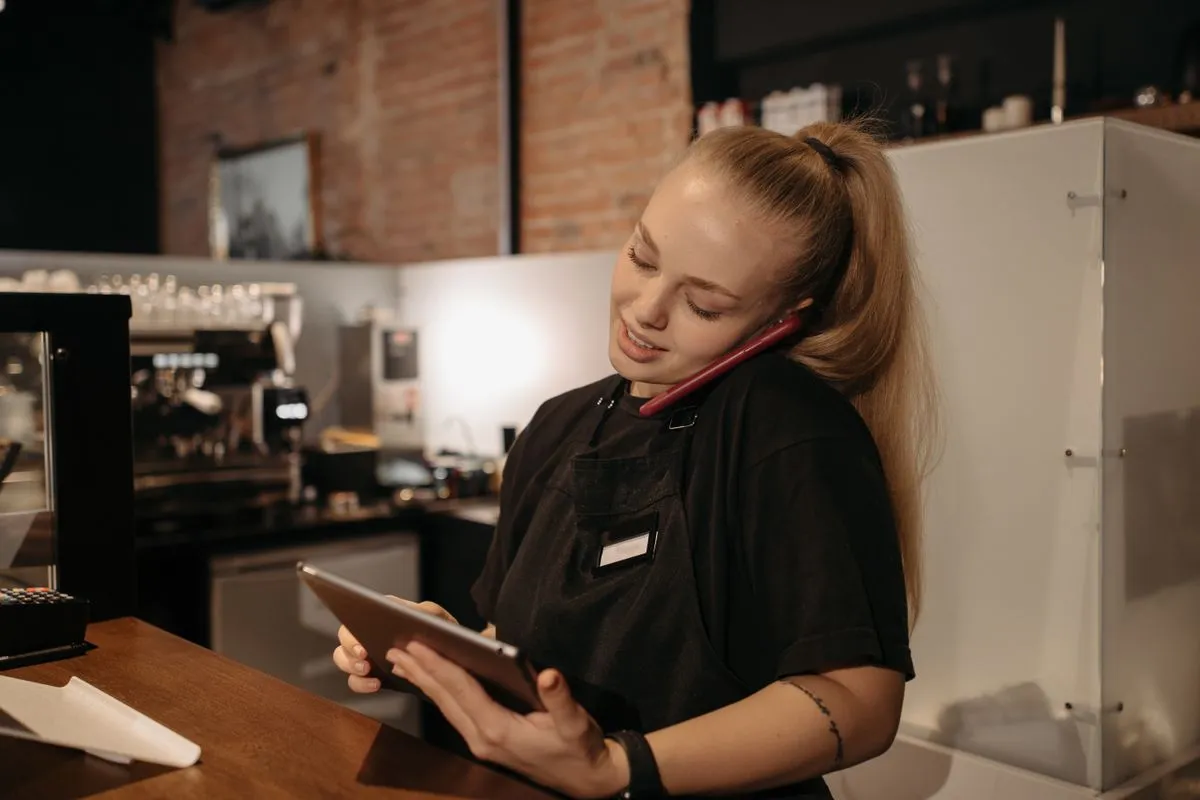
Restaurant review management is the weekly habit of watching what diners say about you online, answering the reviews that deserve an answer, and feeding what you learn back into the floor and the kitchen. It is not a marketing project and it does not require software. Twenty minutes a week covers it for almost every independent restaurant: about five minutes reading, ten minutes replying, and five minutes deciding what to fix.
The trap is treating it as a writing exercise. Most operators either ignore reviews entirely or fall into an argument with a stranger about a steak. Neither one helps. The reviews that hurt you are almost never a reputation problem in the first place. They are an operations problem that happened to get written down, and you cannot reply your way out of a slow Friday. Here is the version that fits inside a real week: what to watch, what to answer, what to leave alone, and what your one-star reviews are actually trying to tell you.
What restaurant review management actually is
Strip away the software pitches and it is three small habits, run on a loop, forever. You watch what comes in. You answer the ones worth answering. You ask your happy guests to leave one, so the good outnumbers the bad by simple volume.
That is the whole discipline. Everything else sold under the name "reputation management" is a dashboard that does the watching part for you, which is worth paying for when you have six locations and worth nothing when you have one. What it cannot do is the part that matters, which is reading a complaint and recognizing your own Tuesday night in it.
Why your reviews decide whether you get found at all
Here is the piece operators consistently underrate. Reviews are not just a persuasion tool that convinces someone who already found you. They are a ranking factor. The volume, the recency, and the ratings on your Google Business Profile all feed into whether you show up in the map pack when somebody nearby searches "tacos near me" at 7pm on a Friday.
So a restaurant with eleven reviews and a restaurant with three hundred are not competing on the same field, and it has nothing to do with which one is better. One of them is visible. The other one is a website. That is why review management sits inside restaurant SEO rather than off in some separate reputation bucket, and why the whole thing starts with a claimed and filled-out Google Business Profile.

The three jobs of review management
Every task in this post is one of these three. If you can keep them straight, you can run the whole program off your phone between lunch and dinner service.
Watch
Know what came in this week, on every platform that matters. Five minutes, and it should be automated so nothing surprises you a month late.
Answer
Reply to the ones that earn it, in public, for an audience that is not the person who wrote it. Ten minutes, and brevity is your friend.
Ask
Give happy guests an easy way to say so. This is the only lever that actually moves your rating, and it is the one nobody pulls.
What should you monitor, and where?
You do not need to watch the whole internet. For an American independent restaurant, the list is short and it is ranked.
- Google. This is the one that matters, and it is not close. It feeds your map ranking and it is where nearly every local diner looks first. If you only ever manage one platform, manage this one.
- Yelp, which still carries weight in some cities and almost none in others. Know which kind of city you are in before you spend a minute on it.
- Your delivery platforms, if you do meaningful takeout volume. These reviews are often about the driver and the packaging rather than the food, which is worth knowing before you take one personally.
- Instagram and Facebook comments, which are not reviews but are absolutely public opinion, and they move faster than anything else on this list.
Turn on email notifications for each so the reviews come to you. The goal of the watching job is that you never discover a bad review three weeks late, because by then the only thing you can do is apologize into the void.
Twenty minutes you don't have?
Watching the platforms, writing the replies, and building the ask into your service flow is exactly the kind of thing that never gets done between rushes. We run it for restaurants, hands-on, led by someone who has worked the line.
Which reviews should you answer, and which should you leave alone?
Now the part that saves you the most time and the most grief. You are not obligated to answer everything, and the internet's advice to "respond to every single review" is how a busy operator ends up responding to none of them.
Sort them into four piles:
- The specific, fair complaint. Always answer. Short, human, no excuses, and name the fix if there is one. This is the highest-value reply you will ever write.
- The glowing five-star. Answer when you can, especially if they mentioned a dish or a server by name. Two sentences. It costs nothing and it makes the next reader feel like there are people back there.
- The vague one-star with no detail. Answer once, briefly, then stop. "Sorry to hear it, we'd like to understand what happened, here's our email." That reply is not for them. It is for the reader who sees a lone angry star and wants to know if the house is run by adults.
- The unhinged, the cruel, and the obviously fake. Leave it alone, or if it breaks the platform's rules, report it and move on. Do not argue. Nobody has ever won that fight in public, and the attempt is what turns one bad review into a story.
The governing principle of the whole answering job: you are never writing to the reviewer. You are writing to the next forty people who read that thread while deciding where to eat tonight. Once that clicks, the tone writes itself, and you will never be tempted to win an argument again. For the actual wording, structure, and examples, that is a whole craft of its own and it lives in how to respond to Google reviews. And when a review is genuinely fake or abusive rather than just harsh, here is what can and can't be removed.
What your bad reviews are actually telling you
This is the section nobody writes, and it is the reason review management belongs to the operator and not to an intern.
Read your last twenty reviews in one sitting, and do not read them as criticism. Read them as data. What you will find, almost every time, is that the complaints cluster. Three people mention a wait. Two mention a cold plate. Four mention the same server. Those are not twenty opinions. They are three problems, and every one of them is fixable on the floor.
Once you see it, the strategic move gets obvious and it has nothing to do with writing better replies:
- Three reviews about a long wait is a staffing or a pacing problem on a specific shift. Look at who was on the book that night, not at your reply template.
- Repeated complaints about one dish means the dish is not working, at that price, at that temperature, on that plate. Change it or kill it.
- Complaints about attitude are a training problem, and usually a single person. You already know who.
- Complaints about noise, lighting, or the wait for the check are the cheapest fixes on the list, and they show up in reviews far more than food ever does.
Reviews are the only place your guests tell you the truth. They will not tell the server that the risotto was cold, because that is awkward and they would rather just leave. Then they will go home and type it out for the whole world. Painful, but it is the most honest feedback you will ever get for free, and it is the reason the twenty minutes are worth spending at all.
How do you get more reviews without begging?
You cannot delete your way to a better rating and you cannot argue your way there either. The only lever that reliably moves the number is volume, and volume comes from asking. A restaurant with four hundred reviews absorbs a one-star like it never happened. A restaurant with nine reviews takes a body blow.
The ask has to be easy, timed to a happy moment, and pointed at a link that opens straight into the review box. That is genuinely a craft, and it is fully covered in how to ask customers for reviews, with the platform-specific mechanics in how to get more Google reviews.
One guardrail worth knowing before you build any of it: do not screen your guests first. Asking only the people you think will say something nice, sometimes called review gating, is against Google's rules and it can get your reviews wiped or your profile flagged. Ask everyone who had a good meal, and let the chips land.

The 20-minute weekly routine
Put it on the same day every week, ideally a slow morning when the room is quiet and nobody needs you. Same station, same order, every time.
Minutes 1 to 5, read. Open the week's new reviews across your platforms. Read all of them, reply to none of them yet. Reading first and replying second keeps you from firing off something at 9am that you will regret by noon.
Minutes 6 to 15, answer. Work the four piles. Specific complaints first, then the five-stars you have time for. Keep every reply under four sentences. If a reply is taking you longer than two minutes, you are arguing, and you should stop.
Minutes 16 to 20, decide. The most important five minutes and the ones everybody skips. Ask one question: what showed up more than once this week? Write it on the same piece of paper every week. If the same complaint appears three weeks running, it stops being a review problem and becomes a line item at your next staff meeting.
That is the entire program. It is not clever and it is not a piece of software. It is twenty minutes, every week, forever, and it will do more for a neighborhood restaurant than any campaign you could buy.
Key takeaways
- Review management is three habits: watch, answer, ask. Twenty minutes a week covers all three.
- Reviews are a ranking factor, not just persuasion. Volume and recency help decide whether you appear in the map pack at all.
- You are never replying to the reviewer. You are replying to the next forty people who read it, which is why brevity beats a rebuttal.
- Bad reviews cluster, and the clusters are operational. Three complaints about a wait is a staffing problem, not a reputation problem.
- Volume is the only lever that moves your rating. Ask every happy guest, and never screen them first.
Frequently asked questions
What is restaurant review management?
Restaurant review management is the ongoing practice of monitoring what diners post about you online, replying to the reviews that warrant a response, and encouraging happy guests to leave reviews of their own. For an independent restaurant it is a weekly habit rather than a software purchase, and about twenty minutes a week is enough to run it properly.
Do restaurant reviews affect Google rankings?
Yes. The number, recency, and rating of your Google reviews are among the signals that influence whether your restaurant appears in the local map pack when someone nearby searches for a place to eat. That makes reviews part of your local SEO, not a separate reputation task, and it is why a claimed and complete Google Business Profile is the foundation.
Should you respond to every restaurant review?
No, and trying to is how most operators end up responding to none. Always answer specific, fair complaints, and answer positive reviews when you have time. Reply once and briefly to vague one-stars, then stop. Leave abusive, unhinged, or obviously fake reviews alone, or report them if they break the platform's rules.
How do you respond to a bad restaurant review?
Keep it short, human, and free of excuses, and remember you are writing for the next person who reads the thread rather than for the reviewer. Acknowledge what went wrong, name the fix if there is one, and offer a way to continue the conversation privately. Never argue in public, because the argument is what turns one bad review into a story.
How can a restaurant get more reviews?
Volume is the only thing that reliably moves your rating, and volume comes from asking. Make the ask at a happy moment, keep it easy, and point guests at a link that opens directly into the review box. Never screen guests to ask only the ones you expect to be positive, since review gating violates Google's rules and can get your reviews removed.
What do bad restaurant reviews tell you?
Read your last twenty reviews together and the complaints will cluster. Repeated mentions of a wait point to a staffing or pacing problem on a specific shift, repeated complaints about one dish mean the dish is not working, and comments about attitude are usually a training issue with one person. Bad reviews are operational feedback that happens to be public.