SEO & Local Search
How to Ask Customers for Reviews (and Keep Your Restaurant Full)
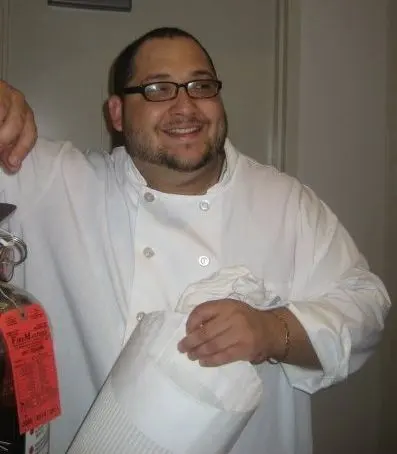
By Daniel Ruiz, former NYC chef July 2026 10 min read

The best way to ask customers for reviews is to ask a happy guest, out loud, at the peak of a good meal, and make it a two-minute favor. That's the whole thing. Not a campaign, not a gimmick, not a bribe. The reason your restaurant doesn't have more reviews almost certainly isn't that guests are unhappy. It's that nobody asked them.
I'll be honest, I came up in kitchens, line cook to executive chef, and I used to hate asking for anything. It felt like standing at a table with my hand out. It isn't, once you have the right words and the right moment, and that's exactly what this guide gives you: when to ask, who should do it, and five scripts you can steal word for word. There's a printable script bank at the end, ready for tonight's shift.
Why the ask is the whole game
Here's the quiet truth about restaurant reviews: most places don't have a review problem, they have an asking problem. Think about your own behavior for a second. When was the last time you left a Google review for a restaurant completely on your own, with no card on the table, no line on the receipt, nobody mentioning it? Probably almost never, and you work in this business. Your guests are no different. A happy diner finishes a great meal, feels good, pays, and walks straight back into the rest of their day. Reviewing you never crosses their mind, not because they didn't love it, but because they're busy and nobody nudged them.
The people who do review you unprompted are, more often than not, the ones with a complaint. That's the trap: silence quietly skews negative. Left alone, your listing fills up with the loudest, saltiest voices while your hundreds of happy regulars stay silent. Asking is how you flip that. Every honest, happy review you invite is another reason the next hungry stranger picks you over the spot around the corner, and it does double duty by helping you show up higher when someone nearby searches for a place to eat. Reviews are one of the few things about your reputation you can actually control, and the lever is stupidly simple: ask, on purpose, every shift.
This post is all about the ask itself, the human part. If you also want the plumbing, getting your one-tap Google review link, turning it into a QR code, and staying on the right side of Google's rules, I wrote the full playbook on how to get more Google reviews as a companion. Read that for the machinery. Read this for the words.

When to ask: catch the peak
Timing is most of the battle. Ask at the wrong moment and even a thrilled guest brushes you off. Ask at the right one and it feels natural, almost expected. The right moment is simple to spot: it's right after a guest has told you, in some way, that they had a good time. The "that was amazing." The clean plates pushed to the edge. The "we'll definitely be back." That's the peak, the little window where goodwill is highest, and it's when an invitation lands as a favor instead of an imposition.
In practice, the check drop is your best built-in moment. The meal's done, they're relaxed and happy, and you've got their attention for a beat while the bill is in front of them. A close second is any genuine compliment: the instant a guest says something nice, that's your cue. What you want to avoid is asking while they're mid-bite, deep in conversation, or clearly rushing for the door. And don't chase anyone down the sidewalk. If you missed the in-person window, that's what a follow-up text or email is for, which we'll get to. Catch the warm moment, keep it light, and let it go if it passes.
Who should ask (it isn't always you)
A lot of owners assume the ask has to come from them. It doesn't, and honestly it's often stronger coming from someone else. The person with the most rapport wins. That's usually the server who's been taking care of the table all night, the bartender who made their drinks, whoever the guest actually connected with. A warm, in-person ask from someone they liked converts far better than any sign, card, or automated email ever will. People say yes to people.
Which means your real multiplier is your team. You can't be at every table, but a single great server who asks two or three happy tables a night will quietly out-produce all your signage combined. The catch is that this only happens if you make it easy for them and keep it top of mind, because asking for reviews is exactly the kind of thing that falls off the list the second a rush hits. Give your staff the exact words so they're not improvising or feeling weird (the scripts below are written to be said out loud). Show them why it matters to them, more reviews mean a busier room, which means more covers and better tips. Build the ask into the close-out of a table the same way running food or clearing plates is just part of the job. And drop a quick "let's grab a few reviews tonight" into the pre-shift lineup now and then, the way you'd call out a special. A little recognition for whoever landed the most this week keeps it alive.
The exact words to use
This is where everyone freezes, so let's get specific. A good ask does three things: it's short, it's honest, and it gives the guest a reason. The single most useful phrase in the whole business is some version of "it really helps a small local place like us." That one line does a lot of quiet work. It's true, it explains why you're asking, and it takes the transaction out of it. You're not demanding five stars, you're inviting an honest word and telling them why it matters.
A few rules that keep the words from going wrong. Keep it casual, never scripted-sounding, even though you're working from a script. Never pressure, and never fish for a specific rating, ask for their honest experience and mean it. Make the next step obvious in the same breath ("there's a QR code right on the table" or "I'll text you the link"). And if they say they will and then don't, let it go. Plenty won't follow through, and the ones who do are the ones who count. Below are five versions you can lift straight into your shift, one for each moment where an ask naturally fits.
No time to build a review habit between rushes?
The ask is simple, but staying on top of it shift after shift takes attention you may not have. If you'd rather have your local presence and reputation handled by someone who's actually worked a kitchen, that's exactly what we do.
Five ask scripts you can steal
Here's the part you came for. These are written to sound like a real person, not a corporate survey. Adjust the wording so it sounds like you, then hand them to your team. Hit "Save as PDF" to print the bank for the server station or drop it in your training doc. No email, no catch, it's yours.
Review-ask script bank
How to ask without feeling like you're begging
Let me name the awkwardness directly, because I felt it hard. Asking for a review can feel like fishing for a compliment, or like you're putting the guest on the spot at the exact moment they're reaching for their wallet. Here's the reframe that fixed it for me and made the whole thing click: you're not begging, you're inviting.
Your regulars genuinely want you to stick around. The neighborhood spot they love closing is a real loss to them, not just to you. A review is one of the only free, two-minute ways an ordinary person can actually help a restaurant they like survive. When you frame the ask as "this really helps a local place like us keep the lights on," you're not taking something, you're handing them a small, easy way to support you. Most people are genuinely glad to do it once you make it that simple. The awkwardness lives entirely in the version where you think you're imposing. Drop that story and the ask gets easy.
One more thing that lowers the pressure for everyone: reviews are also the front end of loyalty. A guest who takes two minutes to write about their night has just told themselves, out loud, that they love your place, and that makes them far more likely to come back. If you want to go deeper on that, we get into it in our guide on how to turn first-timers into regulars. The ask isn't the end of the relationship, it's a small step deeper into it.
Asking in person vs. online
You've really got two lanes for the ask, and the strongest programs use both. In person is your highest-converting channel by a mile, because it carries rapport, timing, and a real human face. Nothing beats a server the guest liked catching the peak moment. The downside is that it's easy to forget in the weeds and impossible to do once the guest has left. Online (a follow-up text or email) is lower-converting per ask but it scales, it reaches people after the meal when they actually have a free minute, and it works even when the floor was slammed and nobody remembered to ask at the table.

Play them as a one-two. Make the in-person ask your default on every good table, then let the follow-up catch everyone you missed. If you take reservations or run any kind of guest list or email program, a short, warm review request a day after the visit is one of the highest-return messages you can send, and it pairs naturally with the rest of your restaurant's email and SMS. The point is coverage: no matter where a guest lands after a great meal, there's a friendly, low-pressure ask waiting one tap away.
Mistakes that get your ask ignored (or break the rules)
A great ask can still fall flat, or get you in trouble, if you trip on one of these. Keep it clean:
- Making it a scavenger hunt. If the guest has to open Google, search your name, scroll past the map, and find the review button, you've lost most of them. Every extra tap between "sure" and the review screen costs you reviews. Hand them a QR code or a direct link, always.
- Asking at the wrong moment. Mid-bite, mid-story, or halfway out the door, the answer is a polite brush-off. Wait for the peak.
- Sounding robotic. A memorized, sing-song line reads as a corporate upsell. Say it like you mean it, because you do.
- Offering a perk for a review. No "leave us a review, get a free appetizer." Offering anything of value in exchange for reviews violates Google's policies and can get them wiped. Ask freely, just never pay.
- Only asking your happy guests. Filtering so just the pleased ones get asked (called review gating) is also against Google's rules. Ask everyone the same way and let honest feedback stand. A few fair critical reviews actually make the glowing ones more believable.
- Ghosting the reviews you get. The ask is only half the loop. Reply to what comes in, the warm ones and the tough ones, because future diners read how you respond. Here's how to respond to Google reviews without making it worse.
Key takeaways
- Most restaurants have an asking problem, not a review problem. Silence skews negative, so ask on purpose, every shift.
- Timing wins: ask at the peak, usually the check drop or right after a compliment.
- Whoever has the rapport should ask, often the server, not you. Give your team the exact words.
- Keep the ask short, honest, and low-pressure: "it really helps a small local place like us."
- Pair the in-person ask with a follow-up text or email, and never gate, incentivize, or forget to reply.
Frequently asked questions
What is the best way to ask a customer for a review?
Ask a visibly happy guest, in person, at the peak of a good meal (the check drop or right after a compliment), and make the next step one tap with a QR code or direct link. Keep the words short and honest, something like “it really helps a small local place like us.” A warm ask from a server the guest liked converts far better than any sign or automated email.
When should I ask customers for a review?
Right after a guest signals they had a good time: the clean plates, the compliment, the “we’ll be back.” The check drop is the best built-in moment because the meal is done and they’re relaxed. Avoid asking mid-bite, mid-conversation, or as they rush out. If you miss the in-person window, a follow-up text or email the next day catches them.
Should the owner or the server ask for reviews?
Whoever has the most rapport with the table, which is often the server, not the owner. People say yes to people they connected with. Your team is also your multiplier since you can’t be at every table, so give staff the exact words, explain that more reviews mean better tips, and build the ask into the close-out of a table.
Can I offer a discount for a customer review?
No. Offering any incentive (a discount, a free appetizer, a raffle entry) in exchange for a review violates Google’s policies and can get your reviews removed. You’re free to ask everyone and make it easy, you just can’t pay for it in any form. The same goes for “gating,” only asking guests you think are happy.
How do I ask for reviews without being annoying?
Reframe it: you’re not begging, you’re inviting. A review is a free, two-minute way a guest can help a local place they like survive, and most people are glad to do it once you make it that simple. Ask once, keep it light, give a reason, and if they don’t follow through, let it go. The pressure lives only in the version where you think you’re imposing.
What should I do after a customer leaves a review?
Reply to it, the good ones and the bad ones, because future diners read how you respond. A warm thank-you on a positive review and a calm, human reply to a critical one both build trust. See our guide on how to respond to Google reviews for what to say, and remember reviews are the front end of loyalty, so invite that guest back.