Email & Loyalty
Restaurant Email Marketing: How to Fill Slow Nights
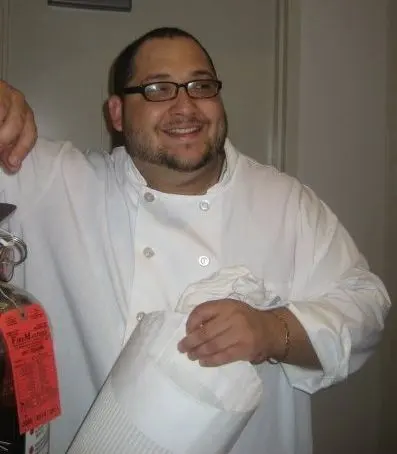
By Daniel Ruiz, former NYC chef June 2026 12 min read
Restaurant email marketing is the simplest, most reliable way to bring diners back, especially on a slow Tuesday. It works because you own the list: unlike followers on a social app you’re renting, your email list is yours, and a single send can put people in seats this week.
I spent over a decade in NYC kitchens, line cook to executive chef, before I ever thought about marketing, so I’ll say this the way I’d have wanted to hear it on the line: email isn’t glamorous, but it’s the one channel that actually answers the question that keeps you up at night, “how do I fill the room on a dead night?” No algorithm decides whether your regulars see it. You hit send, it lands, people come in. This guide is the plain-English version of how to set that up and use it without feeling like a spammer.
Why email beats almost everything else you’re doing
Let me start with the part most operators have backwards. You probably spend a real chunk of your week feeding a social account, posting plates, chasing comments, watching the numbers do whatever they feel like doing that day. Meanwhile the most powerful marketing tool you’ve got is sitting unused: a way to reach the exact people who already love your food, directly, whenever you choose.
That’s email. It’s not flashy and nobody brags about it, but it does the one thing every other channel struggles to do, it lets you reach past customers on demand. Slow week coming up? You don’t have to hope the algorithm smiles on you. You write a short note, hit send, and it lands in the inbox of people who have already paid you money once and would happily do it again. That is as close to a fill-the-room button as this business has.
And here’s the thing about a slow night specifically: it’s not a customer problem, it’s a reminder problem. Your regulars didn’t stop loving you. They just got busy, life happened, you slipped their mind for a few weeks. Email is the gentle tap on the shoulder that says “hey, we’re here, come in.” I’ve watched a dead Tuesday turn into a respectable one off a single well-timed email, and it costs almost nothing. That’s the case for email in one sentence: cheapest, most direct line you have to the people most likely to come back.
You own email. You only rent social.
This is the part I want to really land, because once it clicks, the whole thing makes sense. When you build a following on a social platform, you don’t own that audience, you’re borrowing access to them. The platform sits in the middle and decides, every single day, how many of your followers actually see what you post. Change the rules, throttle your reach, or vanish overnight, and your “audience” goes with it. You built it on rented land.
An email list is different. It’s yours. The names and addresses live with you, and nobody stands between you and the people on it deciding who gets to see your message. If a platform you’ve poured years into disappeared tomorrow, you’d be starting from zero. If that same thing happened and you had an email list, you’d still have every relationship you’d built. One of these is an asset you own outright. The other is a lease that can be cancelled.
I’m not telling you to quit social, it has its place for getting discovered. I’m telling you where to put the people once you’ve got them: into something you control. Think of your social accounts as the front window that catches a passerby, and your email list as the regular’s table you keep for the people who actually come back. Every follower you can nudge onto your email list, you’ve quietly moved from rented ground to owned ground. Do that consistently and you’re building something nobody can take from you.
How to build your list the right way
A list is only as good as how you built it, so let’s get this part right from the start. The whole game is collecting email addresses from people who genuinely like your place and actually want to hear from you. Done right, it’s almost effortless, you’re just capturing people who are already in the room.
Here’s where to catch them, naturally, in the moments they’re already happy with you:
- At the table. A small card or a tabletop QR code that says, in plain words, “get first dibs on specials and events.” People scan, drop their email, done. The trick is giving them a reason, even a tiny one.
- At checkout. When the check comes or a to-go order is rung up, that’s a warm moment. “Want to join the list?” from a server or a quick line on the receipt works because they just chose to spend money with you.
- Your Wi-Fi. If guests log onto your guest network, a simple sign-up screen is a fair, low-friction trade, their connection for their email, as long as the screen makes clear they’re also opting in to hear from you, and every email gives them an easy way out.
- Online ordering and your website. Anyone ordering pickup or delivery, or browsing your menu online, is a layup. A clear “join for specials” box at checkout or on the page captures people who’ve already shown intent.
A small incentive helps a lot, and it doesn’t need to cost much: a free side, a dessert, ten percent off the next visit, first access to a special event. Make the ask honest and the value obvious. And one hard rule, the one I’ll repeat until it’s tattooed on you: never buy a list. Ever. Purchased lists are full of people who never asked to hear from you, your emails read as spam, your sending reputation tanks, and you can land in legal trouble besides. A list of fifty people who chose you beats a list of five thousand who never heard of you. Slow and real wins this one.
No time to build a list between rushes?
I get it, I ran the floor and the marketing too. If you’d rather have your email handled by someone who’s actually worked a kitchen, that’s exactly what we do.
The core campaigns to run (the high-level map)
You don’t need a dozen kinds of email. You need a handful, each doing one clear job. Below are the core ones, described by their purpose, so you understand the shape of a healthy email program. I’m not going to list out specific subject lines and offers here, that’s a whole post on its own. When you want the actual playbook of what to send, head to 15 restaurant email marketing ideas worth sending. This is the map; that’s the recipe box.
Start with these three. They’re the backbone, and if you only ever run these, you’re ahead of most restaurants in town.
The welcome
The first email after someone joins. It says hello, sets the tone, and turns a brand-new signup into someone who feels like a regular already.
The win-back
A friendly nudge to people who’ve drifted away and haven’t been in for a while. It reminds them you exist and gives a small reason to return.
The slow-night fill
A timely offer aimed at a specific quiet shift. It points hungry, already-loyal diners at the exact night you most need to fill.
Beyond those three, two more round out a healthy program once you’ve got the basics humming:
- The regular newsletter. A steady, low-key note, monthly is plenty, that keeps you in mind without asking for anything. New dishes, a story from the kitchen, an event coming up. Its only job is to stay warmly, consistently present, so you’re not a stranger every time you do have something to sell.
- The birthday or VIP touch. A small, personal gesture, a birthday treat, an early heads-up for your best regulars. It costs almost nothing and it makes people feel seen, which is exactly what turns a customer into someone who brings their friends.
That’s the whole toolkit: welcome, win-back, slow-night fill, a gentle newsletter, and a personal touch. Five jobs, not fifty. Again, for the exact wording, offers, and timing of each, the ideas post is your recipe box, this is just the map of the kitchen.
How to send without ever feeling spammy
This is the fear I hear most: “I don’t want to annoy people.” Good, that instinct will keep you out of trouble. The whole difference between a beloved email program and an annoying one comes down to respect for the inbox. A few rules keep you firmly on the right side.
- Always send with a reason. Before you hit send, finish this sentence: “I’m emailing because ___.” A real special, a real event, a real story. If you can’t fill that blank honestly, don’t send. People forgive a useful email; they resent a pointless one.
- Consistency beats frequency. A reliable once-a-month note plus the occasional timely offer beats a chaotic blast whenever you panic about a slow week. Predictable and welcome is the goal, not loud and constant. Pick a rhythm you can actually keep, and keep it.
- Make unsubscribing easy and obvious. A clear, one-click way out at the bottom of every email. It feels backwards, but it’s a feature, not a bug. Someone who wants out should leave cleanly, that keeps your list full of people who actually want to be there, which is the only kind of list worth having. A real email tool handles this for you automatically, and it’s legally required besides.
- Respect the inbox like it’s their home. Because it is. Write like a person, not a billboard. Keep it short, keep it warm, keep it useful. The same hospitality you’d show a guest at the door, show it in their inbox.
Do those four things and “spammy” simply isn’t a risk. You’ll be the restaurant people are glad to hear from, the one whose email they actually open because it’s usually worth it.
A light intro to segmenting (don’t overthink it)
Once you’re comfortable, there’s one simple upgrade that makes everything land better: sending slightly different messages to slightly different groups instead of blasting everyone the same thing. That’s segmenting, and you can keep it dead simple.
The most useful split for a restaurant is the most obvious one: regulars versus first-timers. Someone who’s been in twenty times doesn’t need a “welcome, here’s who we are” email, they need to feel like an insider, a heads-up on the new menu before anyone else. Someone who joined the list last week, on the other hand, is still deciding how they feel about you, so a warm welcome and a reason to come back a second time fits them perfectly. Same restaurant, two different conversations.
You don’t need anything fancy to start. Even just tagging people by how they joined, or roughly how often they come in, lets you send the right note to the right group. Don’t let this turn into a science project, though. A great email to everyone beats a “perfectly segmented” email you never get around to sending. Start by sending at all; add this layer once the habit is solid.
How to actually get started this week
Here’s the part where most operators stall out, so let me make it small. You do not need a big system or a marketing degree. You need one basic email tool and the willingness to send your first message. That’s genuinely it.
Pick a simple, reputable email marketing tool, there are several made for small businesses, and most have a free tier that’s plenty to start. The right one for you is the one you’ll actually open and use. You want it to do three boring, important things: store your list safely, let you write and send a decent-looking email without fighting it, and handle unsubscribes automatically so you stay compliant. Skip anything that feels like overkill; you can always grow into more later.
Then keep your first moves lightweight:
- Get one capture method live, a tabletop QR code or a sign-up box at online checkout. Just one, to start.
- Write one short welcome email so new signups get a warm hello automatically.
- Send one real note to your existing list this month, even a tiny one. The first send is the hardest; after that it’s a habit.
If you want to see whether people are actually opening and clicking, your email tool will show you that built in, and a basic Google Analytics setup on your site can show you when those emails send people to your menu or ordering page. Keep it simple, though, the point isn’t a dashboard, it’s filling seats. I won’t pretend email gives you some precise line on reservations, it doesn’t, and anyone promising that level of attribution is overselling. What it gives you is the most direct, most affordable line to the people who already love your place. Build the list honestly, send with a reason, and use it when the room is quiet. That’s the whole craft.
One last thing, operator to operator. The reason I do this work is that I remember being the guy running the floor, the kitchen, and somehow the marketing too, with no time for any of it. If setting this up is one more thing you can’t get to, that’s fair, and it’s exactly the kind of thing we handle. But whether you do it yourself or hand it off, get a list started. It’s the one marketing asset that only gets more valuable the longer you own it.
Key takeaways
- Email is the most powerful channel you own, unlike social, which you only rent.
- It’s the best tool you have for filling a slow night: a direct line to people who already love you.
- Build your list honestly, at the table, checkout, Wi-Fi, and online ordering, and never buy one.
- Run a few core campaigns, welcome, win-back, slow-night fill, plus a gentle newsletter and a VIP touch.
- Always send with a reason, make unsubscribing easy, and start simple with one basic email tool.
Frequently asked questions
Is email marketing really worth it for a small restaurant?
Yes, arguably more than anything else you’re doing. Email is the one channel that lets you reach past customers directly, on demand, which is exactly what you need to fill a slow night. It’s cheap, it’s yours, and even a small list of real regulars can put people in seats this week.
How do I build an email list for my restaurant?
Capture addresses in the moments guests are already happy with you: a tabletop QR code, a quick ask at checkout, a Wi-Fi sign-up screen, and a join box on your online ordering or website. A small incentive like a free side or a first-visit discount helps. Never buy a list, build it from people who actually chose you.
How often should a restaurant send marketing emails?
Consistency matters more than frequency. A reliable note about once a month, plus the occasional timely offer for a slow shift or event, is plenty for most restaurants. Pick a rhythm you can keep and stick to it, rather than blasting people whenever you panic about a quiet week.
Will email marketing annoy my customers?
Not if you respect the inbox. Always send with a real reason, keep it short and warm, stay consistent rather than constant, and make unsubscribing easy and obvious. Do that and you become the restaurant people are glad to hear from, the one whose emails they actually open.
Why is email better than social media for restaurants?
Because you own your email list and you only rent your social audience. A platform decides how many followers ever see your posts, and it can change the rules or disappear overnight. Your email list is yours, nobody stands between you and the people on it, so it’s a far more reliable way to bring diners back.
What email tool should a restaurant use to get started?
Any simple, reputable email marketing tool built for small businesses will do, and most have a free tier that’s plenty to begin. You just want it to store your list safely, let you write and send a clean email easily, and handle unsubscribes automatically. The best one is the one you’ll actually use.